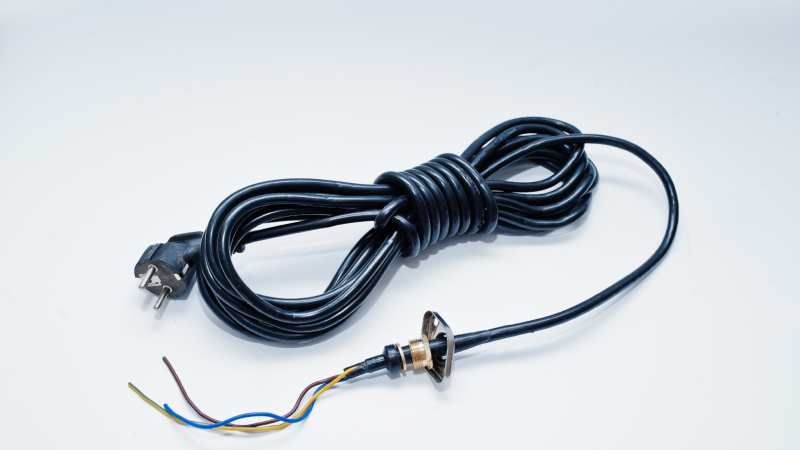
Numerous homeowners connect devices without considering what is concealed inside the wall. That habit feels harmless until a device shorts, overheats, or behaves unpredictably.
At these times, the distinction between a grounded outlet and an ungrounded outlet isn’t merely a distinction based on the mechanical components. Electrical safety often depends on how effectively excess current is controlled during unexpected faults.
However, a grounded electrical system provides an extra level of safety that we all use but take for granted. In fact, it is a beneficial way to regulate fault current, a stabilizer for appliances, and an effective way to reduce the shock risk during a fault in a device or wiring. This added protection becomes especially important in homes that rely heavily on modern electronic devices and high-power appliances.
This article describes five important things to know about “grounded outlets,” which have a significant impact on everyday electrical safety at home.
1. Grounded Outlet Meaning in Real Homes
The grounded outlet meaning refers to a three-prong electrical outlet connection that includes a built-in safety path for any excess or surplus electricity. It is electrically connected by the grounding system of the home, and, as a result, provides a path for fault current to be drained in a controllable manner.
From a real-world perspective, grounding will keep the user safe when wire connections within a device overheat or short out. Rather than flowing across a metal surface or exposed object, electricity is safely rerouted to the ground system. Electrical safety research published in recent engineering literature confirms that grounding significantly reduces injury risk during residential electrical faults.
This system is common practice in most modern residences, as it satisfies current electrical codes. However, when an appliance has metal housings or motors, as in most appliances, the significant concern is that an interior problem will energize the outside casing.
2. Shock Risk Reduction Through Ground Path Control

The risk of shock is determined by the path of electricity when a failure occurs. A grounded outlet provides a low-resistance fault current path and, as a result, prevents the human body from becoming a path for current flow.
If the device fails, the grounding wire will allow current to flow through it and then directly to the ground. In turn, this action allows circuits to trip more quickly and reduces exposure time. Studies in electrical safety journals show that faster fault clearing is one of the strongest factors in reducing injury severity during electrical incidents.
However, electrical current can remain present on a device housing or exposed conductive surface without grounding. This raises the risk of accidental contact with energized parts. Grounding does not provide complete protection, but it does reduce the impact of shock events.
3. Appliance Compatibility With Power Design
While not every appliance needs to be grounded, many modern appliances rely on it. For example, devices with high electrical loads and internal heat, such as refrigerators, desktop computers, washing machines, and power tools, are fitted with three-prong plugs.
These appliances are dependent on grounding to remain safely connected under stress. When a fault happens, the grounding system does not allow current to flow to the outside of the structure. This is especially critical for metal-bodied devices with exposed conductors.
In some cases, electronics use double insulation instead of grounding. These devices work with two-prong plugs and can generally only be used at low power. Electrical design rules always distinguish between grounded and non-grounded equipment according to load, safety principles, and internal safety architecture.
4. Surge Behavior in Electrical Systems 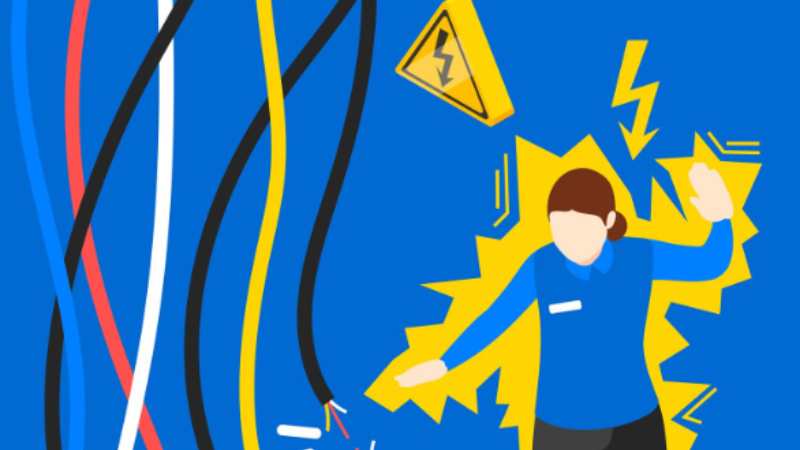
Power surges are sudden spikes in voltage that can damage electronics instantly. Grounded outlets help manage these spikes by providing a discharge path for excess energy. When a surge enters a system, grounding helps redirect part of that energy into the earth instead of forcing it through sensitive circuits. This reduces stress on internal components and improves device longevity.
Electrical engineering studies show that grounding improves system stability during transient voltage events, especially when combined with surge protection devices. Research supports the role of grounding in reducing equipment failure rates during voltage fluctuations.
Without grounding, surge energy has fewer safe paths to exit, increasing the likelihood of permanent damage to electronics. In many cases, this results in irreversible failure of sensitive components such as microprocessors and power supplies.
5. Wiring Standards and Home Inspection Safety
Modern electrical systems are built around strict grounding standards. These standards ensure that every grounded outlet connects properly back to a central grounding point in the home’s electrical panel or grounding rod system.
Proper installation is critical. A grounded outlet only works if the internal wiring is correctly connected. Faulty or incomplete grounding can create a false sense of safety while leaving the system vulnerable to electrical faults.
Regular inspection is important, especially in older homes where wiring may have been updated inconsistently. Outlet testers can quickly verify whether grounding is functional. Professional electricians use continuity testing to confirm that the ground path is intact and capable of handling fault current safely.
Conclusion
Grounded outlets are a fundamental part of home electrical safety. They control fault current, reduce shock risk, support modern appliances, and help manage voltage surges. Without this protective layer, everyday electrical use becomes significantly less stable and more hazardous. Each of these functions depends on a properly installed and maintained grounding system.
The practical takeaway is straightforward. Always use grounded outlets for high-power devices, avoid bypassing the third prong, and periodically check outlet integrity. Small habits like these significantly reduce long-term electrical risk in the home environment. A working ground connection is not just a technical feature; it is a critical safety layer in any modern home.