
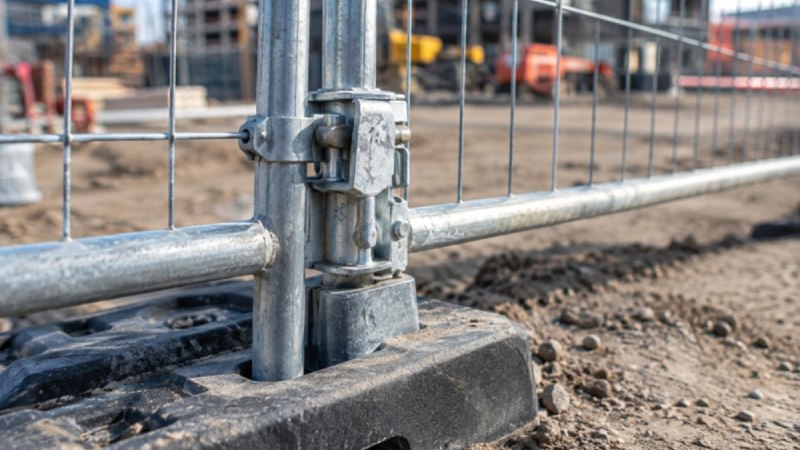
Construction projects in Abilene often operate on open sites where deliveries, equipment, crews, and changing ground conditions must be managed carefully. A well-planned boundary does more than mark the jobsite edge. It helps create predictable routes, limits unauthorized entry, and keeps active work areas easier to supervise.
Before mobilization, project leaders can review options for temporary fencing & construction site security Abilene TX as part of a larger safety and logistics plan. The right setup should fit the property, expected traffic, work schedule, and the likelihood that gates or fence lines will need to move later.
Why Construction Site Perimeters Need Careful Planning
An active jobsite rarely stays the same for long. Excavation may give way to concrete work, structural framing, material staging, interior buildout, and final cleanup. When the perimeter does not keep pace, workers may use unclear entrances, delivery drivers may enter through the wrong gate, and pedestrians may be exposed to avoidable hazards.
A practical perimeter plan addresses more than security. It accounts for moving equipment, open excavations, overhead work, stored materials, uneven walking surfaces, and clear routes for emergency responders. The goal is to support safe production rather than force crews to work around a poorly placed barrier.
Start With a Complete Site Review
Walk the property before selecting panels, posts, gates, or screening. Review the conditions that affect access and stability, then place them on a simple site drawing.
- Mark property lines, public sidewalks, driveways, alleys, and nearby buildings.
- Identify worker entrances, visitor check-in areas, delivery routes, loading zones, and equipment parking.
- Note soft soil, drainage paths, standing water, slopes, overhead utilities, and areas exposed to wind.
- Map active work faces, crane or lift zones, storage areas, and locations where materials may be staged.
- Flag areas likely to change during the next phase of construction.
Match the Perimeter to the Work Phase
One layout may not serve the entire project. During early site work, the priority may be keeping people away from grading equipment, trenches, and utility activity. Structural work may require separation between delivery traffic, lifting operations, and pedestrian routes. During interior buildout, access points may shift closer to the building while exterior storage shrinks.
For example, a commercial project might begin with a delivery gate near the front of the lot. Once the building footprint expands and framing materials occupy that area, the safer choice may be moving truck access to a side entrance with enough room for turning, unloading, and controlled exit.
Choose the Right Boundary Setup
The appropriate temporary perimeter depends on the surface, project duration, traffic volume, weather exposure, and local requirements. Common options include:
- Freestanding panels for paved surfaces or shorter-duration work.
- Ground-anchored or driven-post systems for longer projects and unpaved areas.
- Privacy screening where work activity, dust, or stored materials should be less visible.
- Pedestrian gates for workers and approved visitors.
- Vehicle gates sized for anticipated trucks, trailers, equipment, and emergency vehicles.
- Additional bracing or counterweighting where wind exposure could affect stability.
Design Safer Access Points
Gates should make the correct route obvious. Separate pedestrian and vehicle access whenever the site layout allows it, and keep both clear of stored materials, parked equipment, and loose debris. Signs should identify approved entrances, restricted zones, check-in procedures, and changing travel paths.
Construction work can involve hazards such as falls, equipment strikes, electrical exposure, and excavation risks. Reviewing construction safety guidance can help project teams connect perimeter decisions with broader jobsite planning. Workers, subcontractors, and delivery drivers should also receive updates when the layout changes.
Plan for Traffic and Nearby Roads
Projects near busy Abilene streets, business entrances, or public sidewalks need extra coordination. Review delivery times, truck turning movements, sidewalk detours, visibility at driveways, and any temporary lane or access changes before they create confusion.
When work affects a public road or highway corridor, teams should use applicable traffic-control requirements and consider the federal work zone safety and mobility guidance while coordinating with the responsible local authority. Signs need to be visible early enough for drivers, cyclists, and pedestrians to make safe decisions.
Prepare for Weather and Ground Changes
Temporary barriers should be checked after strong winds, heavy rain, or other events that can change site conditions. Rain can soften soil or create pooling near posts and stands. Wind can strain screens, loosen connections, or shift unsecured materials into a gate path.
For instance, a fence line that was stable during dry conditions may need extra support after a storm leaves the ground soft around its base. Inspect supports, remove loose debris, verify gate operation, and make repairs before normal traffic resumes.
Build a Simple Inspection Routine
A repeatable inspection process makes perimeter issues easier to catch and assign. At the start of a shift, or more often when activity is high, the designated person should:
- Walk the full perimeter and check panels, posts, stands, gates, locks, signs, and screens.
- Look for gaps, leaning sections, damage, unstable ground, and blocked walkways.
- Confirm that emergency access and exit routes remain open.
- Review recent deliveries, complaints, near misses, weather events, and planned work changes.
- Record needed repairs and assign responsibility for follow-up.
Use a Perimeter Plan That Is Easy to Update
Keep a current site plan that marks gates, pedestrian routes, vehicle paths, emergency access, restricted zones, lighting, and storage areas. Add a revision date so crews can tell whether they are looking at the latest version. Share changes during toolbox talks and post a simplified plan near the worker entrance or site office.
Common Questions About Construction Site Perimeters
How Often Should a Construction Perimeter Be Inspected?
Inspection frequency should match the activity level, weather, site risks, and applicable requirements. Daily checks are useful on active sites, with additional reviews after storms, major deliveries, damage, or layout changes.
When Should a Fence Line Be Moved?
Move it when the building footprint expands, excavation closes, equipment routes change, material storage shifts, or a new work zone becomes active. Update signs and communicate the new layout before directing traffic through it.
What Should Happen if a Barrier Is Damaged?
Control access to the affected area, report the issue, make a safe temporary adjustment if needed, and complete a durable repair before restoring normal operations.
Final Checklist for Safer Perimeter Planning
- Has the entire site been reviewed before installation?
- Are pedestrian and vehicle routes clearly separated where possible?
- Can emergency crews reach the site without delay?
- Can gates and fence lines adapt as construction progresses?
- Have wind, rain, poor visibility, and changing ground conditions been considered?
- Is there a documented inspection and repair process?
Conclusion
A safer construction perimeter in Abilene, Texas, is an active part of site management, not a one-time setup. By reviewing the property early, carefully planning access, preparing for changing conditions, and regularly inspecting the boundary, project teams can protect people while keeping the job moving efficiently through every phase.