
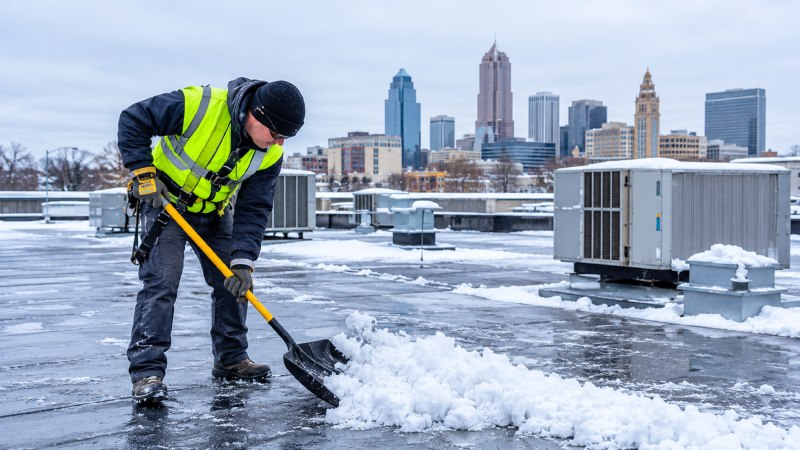
Replacing a commercial roof is a big project, but it does not always mean closing your business. With the right plan, you can protect your building while your employees continue working and your customers keep visiting. S&K Construction can help business owners understand their roofing needs and plan the work with fewer interruptions. The key is to choose the right contractor, prepare a clear schedule, and keep everyone informed before the project begins. This way, you can improve your roof without stopping your daily operations.
1. Plan the Roofing Project Before Work Begins
Good planning is the first step toward a successful commercial roof replacement. Before the contractor starts, they should inspect the roof and learn how your business operates.
For example, a warehouse may need clear access for delivery trucks, while a medical office must keep its entrances safe for patients. Similarly, a retail store may need quiet areas during its busiest hours.
Therefore, talk with your roofing contractor about your daily activities. Explain when customers arrive, when employees need quiet, and which areas must remain open.
A clear project plan should include:
- The expected start and finish dates.
- Areas where workers will complete the roofing work.
- Safe entrances for employees and customers.
- Times for noisy tasks and material deliveries.
- Steps for handling unexpected weather delays.
These details help the contractor build a practical project schedule. As a result, everyone knows what to expect before work begins.
2. Choose a Contractor Who Understands Business Needs
Not every roofing project follows the same plan. Some buildings have simple roof designs, while others contain several sections, rooftop equipment, and difficult access points.
That is why you should choose a contractor who understands how to work around an active business. The right team will consider safety, noise, delivery times, and customer access when preparing its plan.
Ask potential contractors how they manage work at occupied commercial buildings. Also, check their insurance, references, safety procedures, and experience with your type of roofing system.
Before signing an agreement, make sure the proposal explains the work clearly. It should identify the materials, work schedule, cleanup process, payment terms, and warranty details.
Moreover, ask who will manage the project and answer your questions. Having one main contact makes communication easier throughout the job.
3. Use a Phased Roof Replacement Plan
A phased roof replacement is one of the most useful ways to replace a roof while keeping a business open. Instead of removing the entire roof at once, the contractor divides it into smaller sections.
The crew then completes one section before moving to the next. This approach helps reduce the amount of the building exposed to active construction at any given time.
For example, a large office building may have three separate roof sections. The contractor can plan the work so that each section is completed in stages, depending on the building layout and weather conditions.
This method offers several benefits:
- It helps limit disruption to daily operations.
- It makes it easier to manage workers and materials.
- It allows the team to focus on smaller work areas.
- It helps protect completed sections from construction activity.
- It gives the business more control over access and scheduling.
However, not every roof can be divided in the same way. Your contractor must check the roof design, drainage, weather exposure, and safety needs before choosing this method.
4. Schedule Noisy Work at the Right Time
Roof replacement can involve noise from removing old materials, moving equipment, and installing new roofing products. This noise may disturb employees, customers, tenants, or visitors.
Fortunately, careful scheduling can reduce the problem.
First, identify the busiest hours of your business. If your building receives many customers in the morning, your contractor may be able to schedule some noisy tasks for quieter periods.
Likewise, an office building may benefit from arranging certain activities outside important meetings. A retail business may need extra care during weekends, holidays, or seasonal sales.
However, the contractor must also follow local rules, building requirements, and worker safety standards. Not every task can take place outside normal working hours.
Therefore, discuss your needs early and agree on a realistic schedule. Even small changes can make the working environment more comfortable.
5. Keep Employees and Tenants Informed
Clear communication helps prevent confusion during a roofing project. Employees and tenants should know what is happening, which areas may change, and how long the work may affect them.
Before construction begins, share a short notice explaining the project dates, possible noise, temporary access changes, and safety rules.
You can also send regular updates when the contractor moves to another roof section or changes the schedule.
For multi-tenant buildings, property managers should contact each tenant separately if the work affects their entrances, parking areas, or daily activities.
In addition, give employees a simple way to report problems. For instance, they should know whom to contact if they notice a blocked walkway or an unexpected change near an entrance.
These steps help everyone stay informed. More importantly, they reduce complaints and allow the roofing team to solve problems quickly.
6. Protect Employees, Customers, and Roofing Workers
Safety should always come first during commercial roof replacement. An active construction area can create risks from falling materials, equipment movement, open roof sections, and slippery surfaces.
For this reason, the contractor should establish clear safety zones before starting work. They should keep customers and employees away from construction areas and provide safe routes through the building.
The team should also control access to ladders, equipment, and material storage areas. Where necessary, the contractor may arrange barriers, warning signs, and protected walkways.
Weather needs special attention, too. Rain, strong winds, snow, and ice can make roofing work unsafe. In these conditions, the contractor may need to pause certain activities.
Furthermore, workers should protect exposed roof areas against sudden weather changes. They should follow the project’s safety plan and secure materials before leaving the site.
Remember that keeping your business open should never mean taking unnecessary risks. A safe schedule is more important than rushing to finish the work.
7. Protect the Building From Rain and Water Damage
One of the biggest concerns during roof replacement is water entering the building. Even a small leak can damage stock, office equipment, ceilings, and other valuable property.
Therefore, your contractor should plan how to protect every exposed roof section. The crew should remove old roofing materials in manageable areas and install the new system according to the agreed schedule.
They should also use suitable temporary protection when needed. However, temporary covers are not a replacement for proper installation or a complete weather-protection plan.
Before the work starts, identify sensitive areas inside the building. For example, computer rooms, storage areas, and spaces containing expensive equipment may need extra protection.
Also, ask how the contractor will respond if heavy rain arrives unexpectedly. A clear emergency plan can help limit damage and avoid unnecessary business interruptions.
8. Organize Materials, Equipment, and Access
Roofing materials need space for delivery, storage, and movement. If workers leave materials near customer entrances or delivery routes, they can disrupt normal business activities.
To prevent this, plan where trucks will arrive and where the crew will store materials. Whenever possible, keep these areas separate from customer parking and regular deliveries.
For example, a warehouse may need a clear loading area throughout the day. In that case, the contractor can discuss alternative delivery times or a different storage location.
The crew should also keep walkways clean and remove waste regularly. At the end of each workday, workers should secure tools, organize materials, and check the work area.
These simple steps help your business remain accessible while the project moves forward.
9. Monitor Progress and Prepare for Delays
Even a well-planned roofing project can face delays. Rain, strong winds, hidden roof damage, or material delivery problems may affect the original schedule.
For that reason, arrange regular progress meetings with your contractor. These meetings do not need to be long. A short update can explain what the team has completed, what comes next, and whether the schedule has changed.
Ask the contractor to explain any unexpected problems before making major changes to the project.
It is also wise to keep some flexibility in your business schedule. If a section needs extra work, you may need to adjust deliveries, move a meeting, or notify tenants about temporary changes.
Good communication helps you respond early instead of dealing with surprises at the last minute.
10. Inspect the Finished Roof Before Closing the Project
Once the installation is complete, arrange a final inspection with your roofing contractor. Do not assume the project is finished simply because the workers have left the roof.
Ask the team to review the completed roofing system, flashing, seams, drainage points, and other important areas. They should also explain any maintenance needs and provide the relevant warranty documents.
Next, check the surrounding property. Make sure the contractor has removed waste, collected loose materials, and left access routes in a safe condition.
You should also confirm that any temporary barriers or access changes can be removed safely.
Finally, keep copies of the inspection records, project details, and warranty information. These documents can help you manage future maintenance and understand your responsibilities as the building owner.
Final Thoughts
Replacing a commercial roof does not always require shutting down your business. With careful planning, a suitable contractor, and clear communication, you can complete the work while keeping many daily activities running.
A phased roof replacement, a practical project schedule, and strong safety measures can all help reduce disruption. At the same time, protecting exposed roof sections and keeping employees informed can prevent avoidable problems.
Before starting, discuss your business needs with an experienced roofing team. S&K Construction can help you consider your roofing options, plan the work, and understand the steps needed to protect your building during the project.
The goal is simple: install a reliable new roof while keeping your people, property, and daily operations safe.