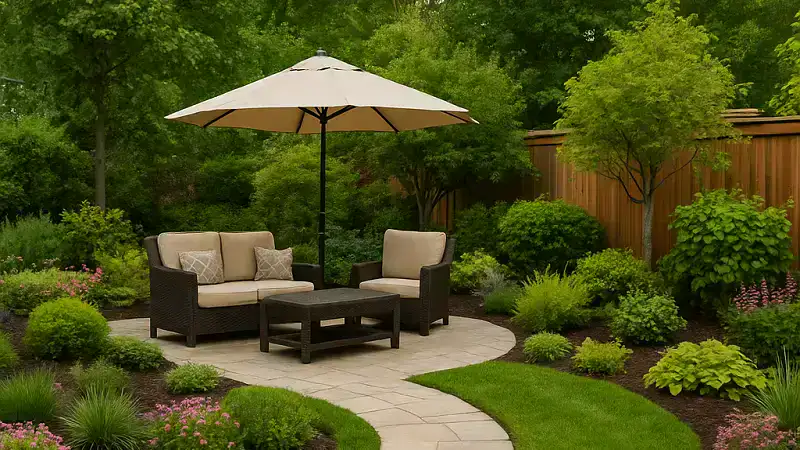
How to Create a Functional and Beautiful Outdoor Space is a question many homeowners ask when they want more comfort and beauty outside their homes. An outdoor space is an important part of every house, even though many people do not treat it that way. It is often the first area we ignore or the last area we plan. Sometimes it becomes a place for unused items, broken furniture, or forgotten plants. But when designed with care, a functional and beautiful outdoor space can completely change how a home feels. It can become a place of comfort, calm, and daily enjoyment.
No matter if you have a small balcony, a simple backyard, a garden, or a terrace, your outdoor area has potential. You do not need expensive designs or professional skills. What you need is a clear understanding of your space, honest planning, and simple choices that make life easier. Creating a functional and beautiful outdoor space is not about copying ideas from the internet. It is about designing an area that fits your lifestyle and feels natural to use.
Understanding Your Outdoor Space Before Making Changes
Before you move furniture or buy decorations, it is important to understand your outdoor space properly. Every space has its own shape, size, and limits. Some areas are wide and open, while others are narrow or partially covered. These details matter more than people think.
Spend time observing the area. Notice where sunlight falls during the day and where shade naturally appears. Some spaces receive strong sunlight for many hours, while others stay cooler and shaded. This affects everything from seating comfort to plant selection. When you understand how your space behaves naturally, your design decisions become smarter and more practical.
Deciding How You Want to Use the Space
A common mistake is designing an outdoor space without deciding its purpose. When learning how to create a functional and beautiful outdoor space, this step is often overlooked. An outdoor area without a clear use may look fine but usually feels empty or uncomfortable. Ask yourself how you realistically want to use this space and how often you will use it. Think about your daily habits, not special occasions.
Some people want a quiet place to sit alone with a cup of tea, read a book, or relax after a long day. Others want a space for family time, casual gatherings, or light outdoor meals. When the purpose is clear, everything else follows easily. Seating, lighting, plant selection, and layout start to make sense. A functional outdoor space always begins with intention and reflects the lifestyle of the people who use it.
Keeping the Layout Simple and Open
Many people believe that filling every corner will make an outdoor space look complete. However, when learning how to create a functional and beautiful outdoor space, keeping the layout simple is often more effective. In reality, too many items make the area feel tight and stressful. Open space is not wasted space. It allows movement, airflow, and visual balance.
A simple layout makes the space easier to use. You should be able to walk, sit, and stand without constantly adjusting furniture. When the space feels open, it automatically feels more welcoming. Simplicity creates comfort, and comfort is the foundation of beauty.
Choosing Furniture That Supports Daily Comfort
Outdoor furniture should first be comfortable and second be attractive. If something looks good but feels uncomfortable, it will slowly stop being used. Comfort is what turns an outdoor area into a living space rather than a display area. Furniture should also match outdoor conditions. Sun, dust, and weather changes can quickly damage indoor furniture. Choosing strong and suitable materials saves time, effort, and money in the long run. When furniture is easy to maintain, the outdoor space stays enjoyable instead of becoming a burden.
Using Plants to Add Life and Balance
Plants bring natural beauty that no decoration can replace. Even a few plants can soften a space and make it feel calmer. They help connect the outdoor area with nature, which is one of the main reasons people enjoy being outside. You do not need a large garden to add greenery. Pots, hanging plants, and small trees can work in almost any space. The key is choosing plants that suit your climate and lifestyle. When plants are easy to care for, they stay healthy and continue to improve the look of your outdoor space over time.
Paying Attention to the Ground and Flooring
The ground is often overlooked, yet it plays a big role in comfort and safety. Uneven or slippery surfaces can make people feel uncomfortable without realizing why. A stable and clean surface allows people to move freely and relax. Whether it is tiles, concrete, wood, or grass, the ground should feel safe and easy to maintain. When the base of the space feels right, everything else feels more balanced and complete.
Creating the Right Mood With Lighting
Lighting changes how an outdoor space feels, especially in the evening. Without proper lighting, even a well-designed area can feel dull or unsafe. Lighting should feel gentle and supportive, not harsh or overpowering. Soft lighting creates warmth and calm. It encourages people to stay longer and feel relaxed. Good lighting also improves safety by making pathways and seating areas visible. When lighting is done well, it quietly enhances both function and beauty.
Adding Shade for Comfort During Warm Weather
Sunlight is enjoyable, but too much sun can make an outdoor space uncomfortable. Shade allows the space to be used more often and for longer periods. It protects from heat and creates a cooler, more comfortable environment. Shade does not have to be complicated. Simple solutions can make a big difference. When shade is included in the design, the outdoor space becomes reliable instead of weather-dependent.
Keeping Colors Calm and Natural
Color plays an important role in how a space feels. Too many bright or clashing colors can make an outdoor area feel busy and tiring. Calm, neutral tones usually feel more peaceful and last longer visually. Natural colors blend well with plants, sunlight, and outdoor materials. When the base colors are simple, small details stand out naturally. This balance helps the space feel thoughtful rather than crowded.
Decorating Without Overdoing It
Decoration should add personality, not pressure. An outdoor space does not need to be filled with items to feel complete. In many cases, fewer decorations make the area feel more mature and relaxed. Choose items that feel meaningful or useful. When decorations reflect personal taste instead of trends, the space feels real and lived-in. This personal connection is what makes an outdoor area truly beautiful.
Thinking About Maintenance From the Beginning
Maintenance is part of outdoor design, whether people like it or not. Every item placed outside needs some level of care. If something is difficult to clean or easily damaged, it slowly becomes frustrating. A functional outdoor space should make life easier, not harder. When materials and items are chosen with maintenance in mind, the space stays pleasant without constant effort. This is especially important for people with busy schedules.
Keeping the Space Organized Naturally
Outdoor spaces collect items over time, such as cushions, tools, and small accessories. Without simple storage solutions, clutter builds up quickly. When everything has a place, the area stays clean without much effort. Organization does not need to be perfect. It only needs to support daily use. A tidy space feels calmer and more inviting, even if it is simple.
Learning From Real-World Outdoor Experience
Many homeowners benefit from understanding how outdoor spaces are maintained in real life, not just how they look in photos. When exploring how to create a functional and beautiful outdoor space, practical experience often matters more than visual inspiration alone. Businesses that work closely with lawns, gardens, and outdoor equipment often see what truly works over time.
For example, different companies deal daily with lawn care, garden maintenance, and outdoor tools. Their experience highlights the importance of designing outdoor spaces that are not only attractive but also practical and easy to manage. This real-world perspective reminds homeowners that beauty and usability should always go together.
Making Small Outdoor Spaces Work Better
Small outdoor areas can still feel comfortable and stylish when designed thoughtfully. Using space wisely makes a big difference. When furniture is chosen carefully and the layout is kept simple, even a small area can feel open and relaxing. Light colors, vertical elements, and minimal furniture help avoid a crowded feeling. Small spaces often benefit the most from smart planning and simplicity.
Adding Personal Touches That Matter
An outdoor space should feel like an extension of your home. Personal touches give the area character and warmth. This could be a favorite chair, a plant you enjoy caring for, or simple decorations that make you feel comfortable. These small details create emotional connection. When you feel connected to the space, you naturally spend more time there.
Allowing the Space to Grow Over Time
An outdoor space does not need to be finished all at once. Living with the space helps you understand what works and what does not. Small changes made over time often lead to better results than rushed decisions. When a space grows slowly, it reflects real use rather than planned ideas. This makes it feel more natural and enjoyable.
Conclusion
Creating a functional and beautiful outdoor space is not about spending a lot of money or blindly following design trends. It is about understanding your available space, choosing comfort, and keeping things simple. Learning how to create a functional and beautiful outdoor space starts with designing an area that supports daily life and feels easy to use, because when comfort comes first, beauty follows naturally.
With thoughtful planning, the use of natural elements, proper lighting, and regular care, any outdoor space can become a place of comfort and peace. When designed with care, it becomes a valuable extension of your home where you can relax, recharge, and enjoy everyday moments.