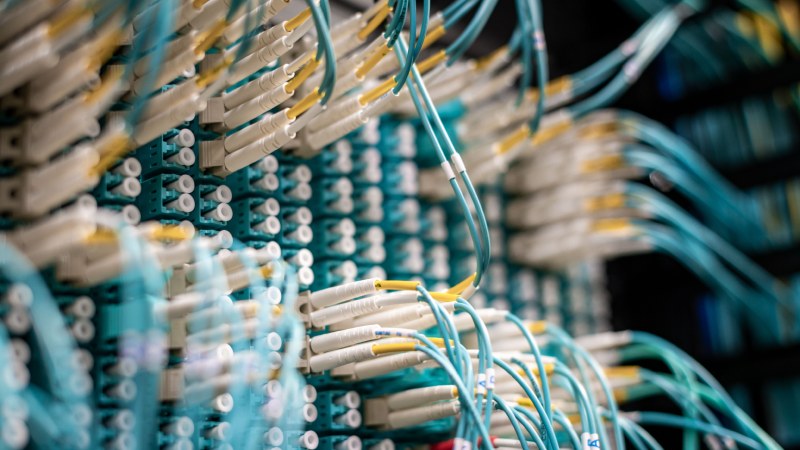
Every conversation about enterprise IT eventually focuses on software: the applications, the cloud platforms, the security tools, the productivity suites. What rarely comes up unless something goes wrong is the physical layer that all of it runs on. Structured cabling is the organized system of cables, connectors, and associated hardware that links every device in a building to the network. It is also one of the most consequential infrastructure decisions a business can make, and one of the most frequently deferred or underspecified.
In markets like Dubai and the wider UAE, where businesses are building new offices, expanding into commercial towers, and upgrading legacy infrastructure to support hybrid working and cloud-based operations, the quality of the underlying cabling network determines how reliably everything else performs.
What Structured Cabling Includes
A structured cabling system is not just a collection of ethernet cables running between desks and a router. A properly designed installation includes a main distribution area housing the primary network equipment, intermediate distribution frames that extend connectivity across floors or zones, horizontal cabling that runs from those distribution points to individual workstation and device locations, and patch panels that organize connections and make future changes manageable.
Each component is specified to meet industry standards, typically TIA/EIA or ISO/IEC, which define performance requirements for categories of cable from Cat5e through Cat8 depending on the bandwidth and speed requirements of the network. For businesses that rely on voice over IP communications, high-definition video conferencing, large file transfers, or real-time data applications, the specification of the cabling system directly affects how well those services perform.
Professional structured cabling installation in Dubai ensures that the system is installed to the relevant standards, properly tested and certified before handover, and documented in a way that makes ongoing maintenance and future expansion manageable.
Why Quality Installation Matters More Than Price
Cabling is typically one of the lower-cost items in an office fit-out or data center build when measured as a percentage of the total project. This leads some businesses to treat it as a commodity and award the work to the lowest bidder. This is a mistake that tends to reveal itself at the worst possible moments.
Poor-quality installation creates issues including crosstalk between cables that degrades signal quality, incorrect terminations that cause random connectivity failures, insufficient cable management that makes fault-finding difficult, and unlabeled or incorrectly labeled runs that turn simple moves-adds-and-changes into multi-hour troubleshooting exercises. These problems do not always appear immediately. They emerge over time, and by then the original installer is long gone.
A certified installation from an experienced provider includes post-installation testing that verifies every run meets the specified performance standard and documentation that becomes a maintained asset for the life of the building.
Cabling for Modern Business Needs
The demands on a corporate network have changed significantly over the past decade. Video conferencing, cloud storage, IP-based security systems, and wireless access points are now standard components of even modest office environments. Each adds to the bandwidth requirements of the infrastructure and, in the case of PoE (power over ethernet) devices like IP cameras and access points, also places electrical demands on the cabling system.
Planning the cabling installation to accommodate current requirements while leaving appropriate capacity for future expansion is a significant part of the design process. An experienced installer will evaluate not just the current floor plan but the likely evolution of the space, recommending cable categories, conduit sizing, and pathway designs that avoid the need for a costly retrofit three years after the initial installation.
Frequently Asked Questions
Q: What is the difference between Cat6 and Cat6A cabling?
A: Cat6 supports up to 1 Gbps at the full channel length of 100 meters. Cat6A (augmented) supports up to 10 Gbps at the same distance and provides better shielding against alien crosstalk. For most modern office environments, Cat6A is the recommended minimum standard.
Q: How long does a structured cabling installation typically take?
A: This varies significantly by scope. A small office of 20 to 30 workstations might take two to three days. A multi-floor corporate fit-out or a data center installation can take several weeks. Planning and scheduling should begin well before the target occupancy date.
Q: What certification should I look for from a cabling contractor?
A: Contractors certified by major manufacturers like Panduit, CommScope, or Leviton, or holding Bicsi credentials, indicate a professional standard of installation. Certification also often extends the manufacturer’s warranty on the cabling system.
Q: How do I know if my existing cabling is causing network performance issues?
A: Common indicators include intermittent connectivity drops, speeds that are consistently below what the network hardware should support, and difficulty identifying faults during troubleshooting. A certified cable test from a qualified installer can identify non-compliant or underperforming runs definitively.
Q: Can structured cabling support both data and voice on the same infrastructure?
A: Yes. Modern structured cabling systems are designed to support voice, data, and IP-based communications over the same physical infrastructure. VoIP phones connect through the same data outlets using standard ethernet cabling.