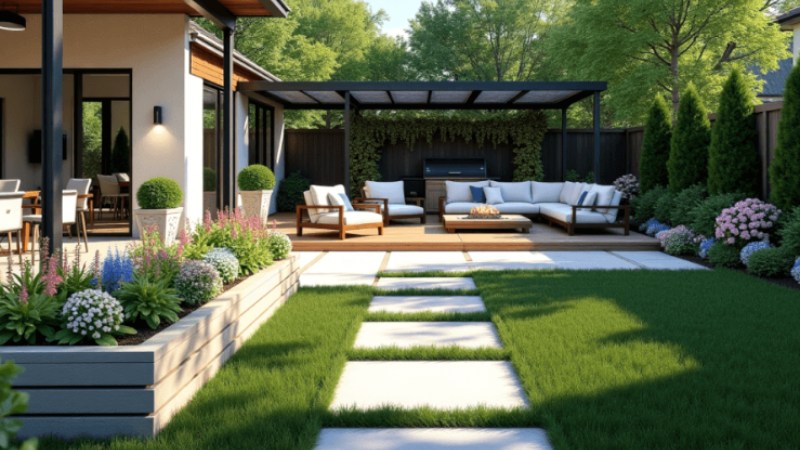
Backyards are no longer treated as empty spaces reserved for occasional barbecues or weekend gardening. They are becoming comfortable extensions of the home, shaped by better lighting, connected devices, flexible furniture, and low-maintenance systems. This shift toward smart outdoor living is helping homeowners use their yards more often, with less effort and greater control.
The most effective upgrades are not always flashy or expensive. A timer that waters plants before sunrise, lights that switch on automatically, or a weather-resistant seating area can make a noticeable difference in daily life. These changes combine convenience with thoughtful design, turning underused areas into functional outdoor spaces for relaxing, eating, working, and entertaining. As outdoor technology solutions become easier to install, homeowners can improve their backyards gradually instead of taking on one large renovation.
Why the Modern Backyard Is Changing
Indoor rooms have clear purposes, but outdoor areas are often less organised. A patio may have a table, a few chairs, and a grill, yet still feel uncomfortable after dark or during hot weather.
Today’s modern backyard ideas focus on flexibility. A covered deck can serve as a breakfast spot in the morning, a quiet work area in the afternoon, and a social space in the evening. Automated lighting, smart irrigation, outdoor speakers, security cameras, and weather sensors remove small inconveniences that often keep people indoors.
The goal is to make the space easier and more enjoyable to use, not fill it with gadgets.
Smart Lighting Makes Outdoor Areas More Usable
Lighting is one of the simplest backyard improvement projects, but it can greatly improve comfort and safety. Dark steps, poorly lit paths, or an uninviting patio can limit how long a family stays outside.
Smart systems let homeowners control brightness and timing through a phone, remote, sensor, or voice assistant. Motion sensors can light a walkway only when needed, while scheduled lights can turn on shortly before sunset.
A balanced lighting plan may include:
- Low-level lights beside paths and steps
- Task lighting near grills or counters
- Warm ambient lighting around seating
- Motion-activated lights near gates or sheds
- Solar lights where wiring is difficult
Layering several softer light sources usually creates a more welcoming result than relying on one bright fixture.
Automated Watering Makes Gardening Easier
Watering by hand is easy to forget and difficult to judge. Smart irrigation reduces that guesswork by using timers, soil sensors, seasonal schedules, or weather data.
These outdoor technology solutions can help avoid watering during rain, reduce waste, and give plants a more consistent routine.
Automation does not need to cover the whole landscape from day one. A homeowner can begin with containers, one flower bed, or a small lawn section, then expand after learning how the system works.
Connected Cooking Improves the Outdoor Experience
Outdoor cooking has moved beyond the basic grill. Digital temperature probes, connected smokers, app-controlled grills, compact refrigerators, and weather-resistant preparation stations can make cooking more predictable.
A connected thermometer can alert the cook when food reaches the right temperature, leaving more time to talk with guests or prepare side dishes.
One of the most practical modern backyard ideas is to create a compact cooking zone instead of building a full outdoor kitchen. A durable work surface, organised storage, safe lighting, and reliable equipment may be enough for most homes.
When choosing outdoor living products, it is sensible to consider weather exposure, storage, available power, maintenance, and how often each item will actually be used.
Flexible Furniture Creates Functional Outdoor Spaces
Furniture determines how a backyard works in real life. Large pieces may restrict movement, while very light furniture can become unstable in wind.
Modular seating, folding tables, movable shade, and benches with storage allow one area to support several activities.
A family with children may need washable surfaces and open play space. Someone working from home may value shade, supportive seating, and a nearby power source. Frequent hosts may need extra chairs that can be stored after guests leave.
Climate matters too. Metal can become hot in direct sun, untreated wood may require regular care, and some fabrics hold moisture after rain. Weather-resistant materials, removable cushions, covers, and good drainage make outdoor areas easier to maintain.
Security Technology Should Feel Supportive
Video doorbells, cameras, motion sensors, and connected locks can help monitor gates, driveways, side entrances, and storage areas. They are common parts of smart outdoor living, but more equipment does not always mean better protection.
Devices should cover meaningful access points. Camera placement, lighting, Wi-Fi strength, privacy settings, and notification controls all affect performance.
Strong passwords, software updates, and a protected home network also matter. A good system should provide useful visibility without sending constant alerts for moving branches, animals, or nearby pedestrians.
Shade and Weather Control Improve Comfort
A beautiful yard will still be ignored if it becomes too hot, windy, wet, or exposed. Retractable awnings, umbrellas, pergolas, privacy screens, fans, and misting systems can make outdoor areas comfortable for more of the day.
Some innovative home products can respond to weather sensors, such as closing a motorised awning when strong wind is detected. However, technology works best alongside basic design choices.
Trees, light-coloured surfaces, good airflow, and seating positioned away from harsh afternoon sun can reduce the need for powered cooling. The smartest approach often combines natural shade with selective automation.
Entertainment Without Unnecessary Clutter
Outdoor speakers, projectors, televisions, and Wi-Fi extenders can create an enjoyable entertainment area, but equipment should not dominate the landscape.
Cable management, discreet speaker placement, protective covers, and storage keep the setup tidy. A portable projector may be more flexible than a permanent television, while two well-positioned weather-resistant speakers may be enough for music.
It is also wise to consider neighbours and local quiet hours.
Planning Backyard Improvement Projects in the Right Order
A successful upgrade begins with problems, not products. Homeowners should first identify what stops them from using the yard. Is it too dark? Is there no shade? Watering difficult? Does the Wi-Fi signal disappear near the patio?
Once the barriers are clear, improvements can be prioritised:
- Fix safety, drainage, and electrical access.
- Add shade and comfortable seating.
- Improve lighting and simple automation.
- Upgrade cooking, gardening, or entertainment features.
- Review maintenance and seasonal storage.
This staged approach makes backyard improvement projects easier to budget and evaluate. It also reduces the chance of buying devices that do not solve a genuine need.
Compatibility matters as well. Products that rely on different apps, hubs, and wireless standards can become frustrating. A smaller number of reliable systems will often provide a smoother experience than unrelated gadgets.
Balancing Technology With Nature
The backyard should still feel like a place to step away from indoor routines. Automation works best when it quietly supports nature.
Smart irrigation can protect plants. Soft lighting can guide people without overpowering the night. Automated shade can improve comfort while preserving an open-air feeling. These innovative home products are most useful when they serve the space without demanding constant attention.
A backyard does not need to be fully connected to be intelligent. It simply needs to work well for the people using it.
Frequently Asked Questions
What is smart outdoor living?
It combines practical outdoor design with connected or automated features. Examples include scheduled lighting, smart irrigation, outdoor security devices, connected cooking tools, and motorised shade.
Are smart backyard upgrades expensive?
Not necessarily. Many people begin with timer-based lights, solar path lighting, a basic irrigation controller, or an outdoor smart plug. Larger systems can be added later.
Which outdoor upgrade should come first?
Start with the problem that most limits use of the space. Lighting, seating, shade, drainage, and safe electrical access often deliver more value than decorative gadgets.
How can outdoor smart devices last longer?
Choose equipment rated for outdoor use, protect electrical connections, update device software, and use covers or sheltered placement where appropriate.
Can technology improve a small backyard?
Yes. Vertical gardens, compact lights, folding furniture, storage benches, and automated watering can help a small area support several activities without feeling crowded.
Conclusion
Smart outdoor living is changing the backyard from a loosely planned area into a comfortable, adaptable part of the home. The strongest results come from solving practical problems: improving visibility, reducing maintenance, creating shade, organising furniture, and using technology only where it has a clear purpose.
A full renovation is not necessary. A few carefully selected outdoor technology solutions can make evenings safer, gardens easier to manage, and social spaces more welcoming. By combining durable materials, simple automation, and thoughtful planning, even a modest yard can become one of the home’s most useful functional outdoor spaces. The best upgrades are not always the most complex. They are the ones that make people want to step outside and stay there.