The Buffer Between You and Panic
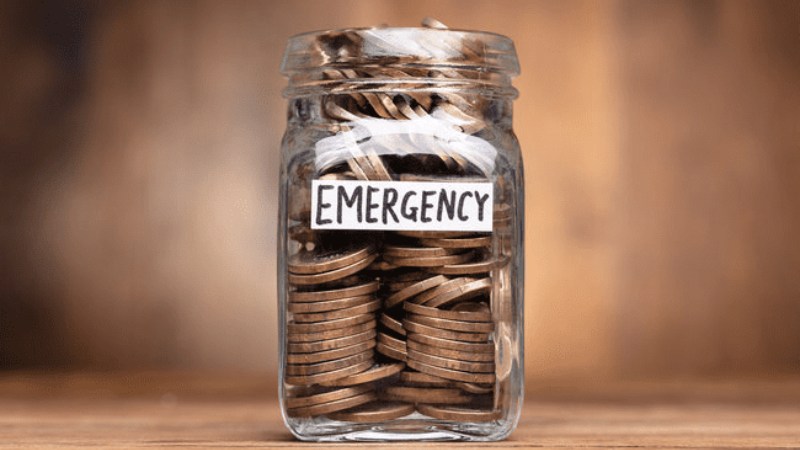
Emergency reserves are not just a savings goal. They are a form of emotional insulation. When life throws a surprise bill, a job disruption, a medical expense, or a major car repair at you, the money itself matters, but so does the calm it creates. A reserve gives you a pause button. It lets you respond instead of react.
Many people think of emergency savings as something to build “once everything else is handled.” That sounds logical, but real life rarely lines up that neatly. Debt, bills, repairs, groceries, insurance, and family needs all compete for attention. Even when someone is exploring options like debt settlement, having some emergency money set aside can help prevent every new problem from turning into another financial setback.
Why Emergency Reserves Deserve Priority
An emergency reserve protects your future decisions. Without one, even a small disruption can force you into expensive choices. A flat tire may become a credit card balance. A missed paycheck may become a late fee. A medical copay may push another bill behind schedule.
The goal is not to become rich through savings. The goal is to avoid being cornered. The Consumer Financial Protection Bureau’s emergency fund guidance explains that emergency funds are meant for unplanned expenses or financial emergencies, not routine spending. That distinction matters because the account needs a clear job.
Start With the Floor, Not the Finish Line
The classic advice is to save three to six months of essential living expenses. That is a strong target, but it can feel intimidating when you are starting from zero. Instead of treating that number as the first step, treat it as the long range destination.
Your first goal can be much smaller. Aim for $250, then $500, then $1,000. A small emergency reserve may not solve every crisis, but it can soften the first hit. It can cover a minor repair, avoid an overdraft, or keep a bill current while you regroup.
Know What Counts as Essential
Emergency reserves should be based on survival expenses, not your full lifestyle. Add up housing, utilities, groceries, transportation, insurance, minimum debt payments, prescriptions, and basic phone service. Leave out vacations, subscriptions, dining out, upgrades, and extras.
This gives you a clearer target. Three months of essential expenses is very different from three months of normal spending. If your essential expenses are $3,000 a month, then a three month reserve is $9,000. A six month reserve would be $18,000.
Adjust the Target to Your Real Life
Not everyone needs the same reserve. If you have stable income, strong benefits, and another earner in the household, three months may be a reasonable starting target. If you are self employed, work on commission, support dependents, or have irregular income, a larger cushion may be safer.
The FDIC’s savings guidance notes that automatic savings programs can help people build savings gradually. That matters because consistency is usually more effective than waiting for one big moment.
Keep the Money Safe and Reachable
Emergency money should not be invested in risky assets. It should be liquid, stable, and easy to access. A high yield savings account, money market account, or federally insured savings account can work well.
The purpose is not maximum return. The purpose is reliability. If your emergency fund drops in value right when you need it, it is not doing its job.
Automate the Habit
Automation removes drama from saving. Set up a recurring transfer every payday, even if it is small. Twenty dollars a week becomes more than $1,000 in a year. Fifty dollars a week becomes more than $2,600.
Windfalls can speed things up. Tax refunds, bonuses, cash gifts, rebate checks, and side income can all be split between current needs and emergency reserves. You do not have to save every extra dollar, but sending a portion to your reserve gives that money a lasting purpose.
Protect the Account From Fake Emergencies
The hardest part is not always building the fund. Sometimes it is leaving it alone. A true emergency is unexpected, necessary, and time sensitive. A sale is not an emergency. A vacation deal is not an emergency. A routine bill you knew was coming is not an emergency.
Give the account a name like “Emergency Reserve” or “Income Protection Fund.” That little label can make the money feel less available for impulse spending.
Refill It After You Use It
Using emergency savings is not failure. That is exactly what the money is for. The key is to rebuild it afterward. Once the emergency passes, restart your automatic contributions and make replenishing the account a priority again.
Think of it like replacing batteries in a smoke detector. You are not upset that the battery worked. You are simply making sure it is ready for the next time.
A Reserve Buys You Better Choices
Emergency reserves are not exciting, but they are powerful. They reduce panic, protect your progress, and give you room to make thoughtful decisions under pressure.
You do not need to build the full amount overnight. Start small, automate the habit, keep the money safe, and increase the target as your life requires. Over time, your emergency reserve becomes more than cash in an account. It becomes a quiet source of control in a world that does not always ask permission before changing your plans.