
The appliance heating water in homes today would be almost unrecognisable to someone from a few decades ago. What was once a simple metal tank with a heating element inside has quietly become a smarter, leaner, and far more capable piece of equipment. The modern electric hot water system carries innovations its early ancestors never dreamed of, and tracing that progress reveals just how much thought has gone into something we barely glance at. Each improvement has chipped away at the old frustrations of cost, waiting, and waste.
From Basic Tanks to Thoughtful Design
Early units were blunt instruments. They heated a large volume of water and kept it hot around the clock, whether anyone needed it or not, losing heat steadily through thin walls.
The leap forward began with better construction. Improved tank materials and smarter internal layouts meant less warmth escaped, immediately trimming the constant, invisible energy drain that plagued older models.
Insulation That Holds Its Own
One of the least glamorous advances turned out to be one of the most important. The way a tank retains heat determines how hard it has to work.
Keeping Warmth Where It Belongs
Contemporary designs wrap the tank in dense, high-performance insulation that dramatically slows heat loss. Water stays hot for longer between heating cycles, which means the element switches on less often and quietly saves energy every hour of the day.
The Rise of Precise Controls
Perhaps the most visible change sits on the control panel. Crude dials have given way to accurate digital thermostats that hold temperature with impressive steadiness.
This precision matters more than it appears. Consistent temperatures prevent both dangerous overheating and the annoyance of a lukewarm supply, delivering exactly what’s needed without the guesswork older systems demanded.
Smarter Timing and Scheduling
Modern units have learned to think about when they work, not just how. Programmable timers let heating happen during off-peak windows when energy is cheaper and demand is lower.
Working Around Your Day
Some systems can now align their heating cycles with household patterns, warming water in readiness for busy mornings and easing off when nobody’s home. That intelligence squeezes real savings out of the same daily habits.
Elements That Last and Perform
The heating components themselves have come a long way. Older elements were prone to scaling, corrosion, and early failure, leading to frequent repairs.
Advances in materials and coatings have made today’s elements tougher and more resistant to the mineral build-up that once shortened their lives. The result is steadier performance and fewer unwelcome breakdowns.
Connected and Aware
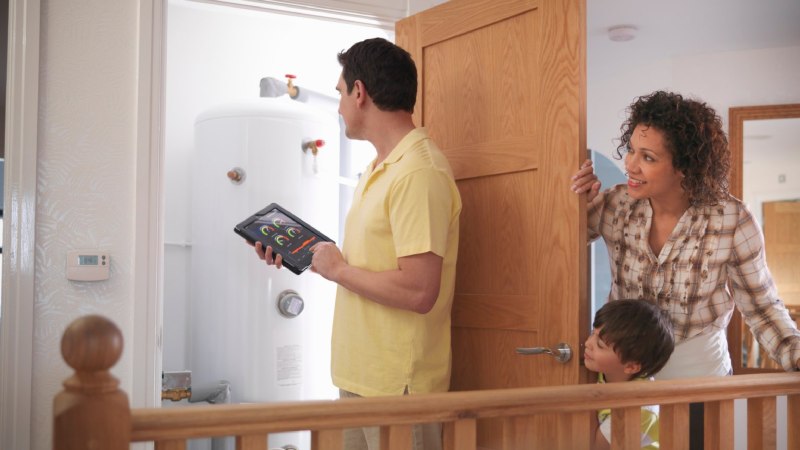
The newest frontier is connectivity. A growing number of systems can link to an app, letting owners monitor usage, adjust settings, and spot problems from their phone.
This visibility changes the relationship people have with the appliance. Instead of ignoring it until it fails, homeowners can see how it behaves and catch small issues before they become expensive ones.
Built With Efficiency in Mind
Underlying all these features is a single guiding priority: doing more with less. Every refinement, from insulation to scheduling, points toward lower consumption without sacrificing comfort.
That focus reflects a broader shift. As energy costs and environmental awareness have risen, manufacturers have engineered their systems to waste as little as possible while still delivering reliable warmth on demand.
A Familiar Appliance, Quietly Transformed
It’s easy to assume that heating water is a solved, static problem. In truth, technology has evolved steadily and meaningfully, turning a wasteful old workhorse into an efficient, controllable, and increasingly intelligent part of the home. The next time hot water arrives exactly when it’s wanted, at the right temperature and a lower cost, it’s worth remembering how much quiet innovation made that ordinary moment possible.