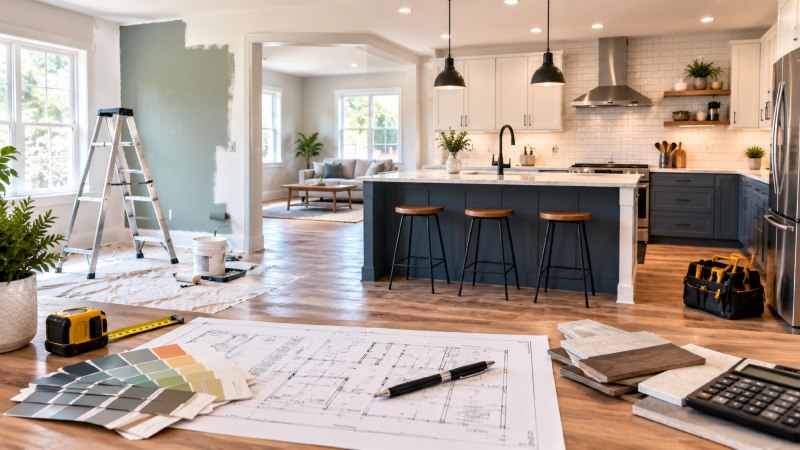
Renovating a property does not have to mean spending a fortune. With careful planning, smart material choices, and a focus on improvements that deliver real value, property owners can refresh their spaces while keeping costs under control. From simple cosmetic updates to practical upgrades, the right renovation strategy can improve appearance, functionality, and long-term property appeal.
Start With a Realistic Renovation Budget
A successful renovation begins with a clear understanding of how much you can afford to spend. Before starting any work, list the improvements you want to make and separate essential repairs from cosmetic changes. This approach helps you prioritize projects that have the greatest impact while avoiding unnecessary expenses.
Get estimates for labor and materials before committing to a project. It is also wise to reserve part of your budget for unexpected costs. Older properties, in particular, may have hidden plumbing, electrical, structural, or moisture-related issues that only become apparent once renovation work begins. Setting aside an emergency fund can prevent these surprises from disrupting your entire project.
Another effective way to control spending is to renovate in phases. Rather than attempting to update every room at once, focus on the areas that need the most attention. Completing projects gradually allows you to spread expenses over time while still making noticeable improvements to the property.
Focus on High-Impact Cosmetic Improvements
You do not always need major construction to make a property look significantly better. Fresh paint is one of the simplest and most affordable ways to transform a room. Neutral, versatile colors can make interiors feel brighter, cleaner, and more spacious while creating a look that appeals to a wide range of occupants or potential buyers.
Updating lighting can also produce a noticeable difference. Replace outdated fixtures with modern alternatives and consider using layered lighting to make rooms feel more functional. Better lighting can highlight architectural features, improve work areas, and create a more welcoming atmosphere without requiring extensive remodeling.
Small details matter as well. Updating cabinet handles, door hardware, faucets, mirrors, or trim can give kitchens and bathrooms a refreshed appearance at relatively low cost. These targeted changes can make an older space feel more contemporary without requiring a complete replacement of major fixtures.
Refresh Existing Features Before Replacing Them
Replacing everything may seem like the easiest route to a new look, but it can quickly consume a renovation budget. Whenever possible, assess whether an existing feature can be repaired, refinished, or repurposed.
For example, older cabinets may only need new paint, updated hardware, or replacement doors. Wooden surfaces may benefit from refinishing rather than replacement. Existing doors, shelving, and storage units can sometimes be restored and incorporated into an updated design.
This strategy reduces material and labor costs while also minimizing renovation waste. Keeping quality existing features can be particularly valuable when the property’s original materials have character or durability that would be expensive to reproduce.
Improve Floors Without a Full Replacement
Flooring can have a major effect on how a property looks and feels, but completely replacing floors throughout a building can be expensive. Before choosing new flooring, determine whether the existing surface can be repaired or restored.
Damaged areas may only require localized repairs, while worn surfaces can sometimes be refinished to improve their appearance. For properties with durable concrete floors, concrete polishing in Draper, UT can provide a cleaner, more refined finish without the cost of installing an entirely new flooring system.
When replacement is necessary, compare options based on both initial price and long-term maintenance. A cheaper material may not be the most economical choice if it requires frequent repairs or replacement. Consider durability, cleaning requirements, expected foot traffic, and the property’s intended use before making a decision.
Upgrade Kitchens and Bathrooms Strategically
Kitchens and bathrooms are often among the most important areas of a property, but full renovations can become expensive quickly. A more cost-effective strategy is to identify the features that look outdated or no longer function properly and upgrade those first.
In a kitchen, consider replacing worn countertops, improving cabinet storage, updating hardware, or installing a more efficient sink and faucet. If the cabinets are structurally sound, refinishing them can create a completely different appearance without the cost of new cabinetry.
Bathrooms can also benefit from targeted improvements. Replace damaged fixtures, refresh grout, improve lighting, and repair worn surfaces. Installing efficient fixtures can provide additional long-term savings by reducing water consumption. Small improvements can make the room feel cleaner and more modern without requiring a complete redesign.
Prioritize Function Over Trends
Design trends change quickly, so property owners should be cautious about investing heavily in features that may look dated within a few years. Instead, focus on timeless finishes and practical improvements.
Good storage, durable surfaces, adequate lighting, ventilation, and easy-to-maintain materials can provide lasting value. If you want to incorporate current trends, use affordable and easily replaceable elements such as paint colors, decorative accessories, or hardware rather than permanent installations.
This approach is particularly useful for rental properties. Durable, neutral, and functional renovations can reduce maintenance requirements while appealing to a broader group of prospective tenants.
Improve Energy Efficiency and Property Performance
Renovation is an opportunity to reduce ongoing operating costs. Energy-efficient improvements may require an upfront investment, but they can provide savings over the property’s lifetime.
Start with simple measures such as sealing drafts around windows and doors, improving insulation where practical, and replacing inefficient lighting. Check whether plumbing fixtures are wasting water and address leaks promptly. These relatively straightforward improvements can make a property more comfortable while reducing recurring utility expenses.
Windows and doors should also be inspected for deterioration or poor sealing. In some cases, repairs or weatherproofing may be sufficient instead of full replacement. If replacement is necessary, choose options based on durability and energy performance rather than appearance alone.
Consider Maintenance Costs Before Spending
The cheapest renovation option is not always the most cost-effective. Property owners should consider how much maintenance a material or feature will require over the next several years.
A slightly more durable material may cost more initially but save money through fewer repairs and replacements. Similarly, choosing easy-to-clean surfaces can reduce the time and expense associated with maintaining a rental or commercial property.
Think about the property’s purpose, climate, occupancy, and expected level of use. A renovation that performs well under real-world conditions can deliver more value than an inexpensive upgrade that needs frequent attention.
Boost Curb Appeal With Affordable Exterior Updates
The exterior is the first thing visitors, tenants, and potential buyers see, making curb appeal an important part of renovation planning. Fortunately, improving a property’s exterior does not necessarily require major construction.
Start by cleaning outdoor surfaces, trimming overgrown landscaping, removing clutter, and repairing visible damage. A freshly painted entrance, improved lighting, or updated house numbers can make a property appear more inviting.
Pay attention to areas that show signs of neglect. Repair damaged fencing, clean gutters, address peeling paint, and replace broken exterior fixtures. These improvements can protect the property from further deterioration while creating a better first impression.
Make Outdoor Spaces More Usable
If the property has a balcony, patio, courtyard, or garden, small upgrades can increase its usefulness. Clean and repair existing surfaces before considering replacement. Add practical seating areas, improve outdoor lighting, or introduce low-maintenance landscaping.
For rental and residential properties, a functional outdoor area can become a strong selling point. For commercial properties, well-maintained exterior spaces can create a more professional appearance and improve the experience for customers, employees, or visitors.
Choose Renovations That Deliver Long-Term Value
The best renovation decisions balance appearance, functionality, durability, and cost. Instead of asking only how much an upgrade costs today, consider what it will contribute to the property over several years.
Improvements that reduce maintenance, improve energy efficiency, increase usable space, or address existing problems often provide stronger long-term value than purely decorative changes. This does not mean cosmetic improvements should be ignored; rather, they should be combined with practical upgrades whenever possible.
Property owners should also consider the surrounding market and the expectations of the property’s target occupants. A renovation that makes sense for a family home may not be appropriate for a rental unit, office, retail space, or investment property. Matching improvements to the property’s purpose helps ensure that renovation spending produces meaningful results.
Conclusion
Cost-effective renovation is about making strategic choices rather than simply choosing the cheapest materials or limiting every expense. By setting a realistic budget, improving existing features, prioritizing high-impact areas, increasing efficiency, and planning for long-term maintenance, property owners can achieve impressive results without overspending. Thoughtful renovations can enhance comfort, appearance, functionality, and property value while keeping finances firmly under control.