
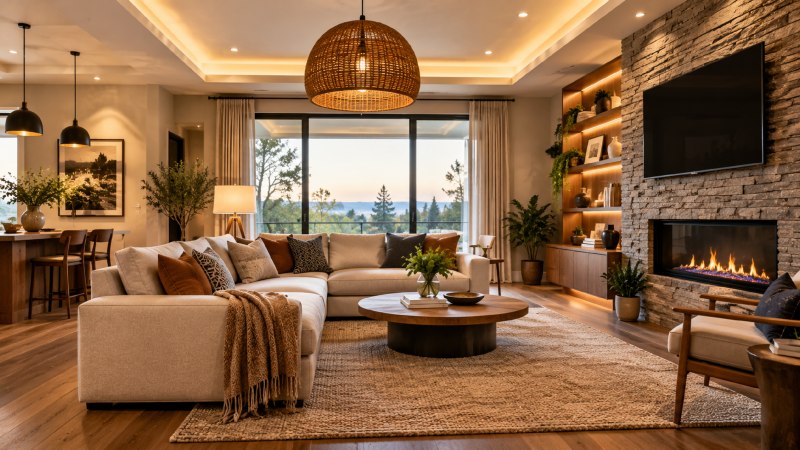
Interior design is an intricate art form that goes far beyond selecting furniture pieces or choosing paint swatches off a wall. True spatial harmony is achieved when lighting, tactile textures, and structural materials work in seamless choreography to evoke specific emotional responses and enhance functional living. Understanding how these fundamental design elements interact enables homeowners and designers to transform ordinary rooms into captivating, balanced sanctuaries that reflect personal style and timeless elegance.
The Transformative Power of Multi-Layered Lighting Design
Lighting is often described as the hidden soul of interior design, holding the power to manipulate spatial perception, alter mood, and accentuate architectural features effortlessly. A well-executed lighting scheme never relies on a single overhead fixture; instead, it thoughtfully combines three distinct layers: ambient, task, and accent lighting.
Ambient lighting serves as the foundational layer, providing uniform illumination across a room through recessed ceiling lights or flush-mount fixtures. Task lighting delivers focused brightness to functional work areas, such as under-cabinet LED strips in kitchens or directional reading lamps beside living room armchairs.
Accent lighting adds artistic drama and depth by drawing visual attention to architectural details, artwork, or textured accent walls. Utilizing wall sconces, directional spotlights, and hidden cove lighting highlights subtle room features, creating inviting visual contrast and elevating overall spatial atmosphere throughout the day.
Balancing Natural Sunlight with Artificial Illumination
Maximizing natural daylight through expansive windows, sheer drapery, and strategic mirror placements brightens living areas while reducing energy consumption naturally.
Integrating dimmable artificial light fixtures allows homeowners to transition spatial ambience smoothly from bright morning productivity to warm, intimate evening relaxation. Light control enhances everyday living flexibility.
Understanding Color Temperature and Spatial Atmosphere
Selecting light bulbs with warm color temperatures creates cozy, inviting environments in bedrooms and living rooms, whereas cooler temperatures suit task-focused workspaces.
Consistent color temperatures across connected living zones preserve visual harmony and prevent jarring transitions between rooms. Thoughtful color rendering elevates interior material finishes.
Creating Depth and Visual Warmth Through Tactile Textures
While color catches the eye initially, tactile and visual textures dictate how an interior space feels on a deeper sensory level. Incorporating a diverse blend of surface textures prevents monochromatic rooms from feeling flat, cold, or sterile.
Texture in interior design falls into two primary categories: tactile textures that can be physically felt, such as chunky wool knits or raw brick, and visual textures that create sensory depth through pattern variation. Layering smooth velvet upholstery against rough-hewn wooden tables or sleek glass surfaces creates engaging visual rhythm.
Mastering texture blending involves balancing heavy, grounded materials with light, reflective surfaces. Soft linen curtains paired with polished stone countertops create a sophisticated contrast that adds warmth, depth, and character to living environments without cluttering physical space.
Layering Textiles for Luxurious Living Room Comfort
Combining plush throw blankets, woven area rugs, and varied fabric accent pillows transforms seating areas into inviting, cozy gathering spaces.
Mixing matte linen upholstery with shimmering silk accents adds refined elegance without overpowering room aesthetics. Layered textiles invite daily physical comfort and relaxation.
Utilizing Architectural Wall Textures and Panel Work
Installing vertical wooden slats, exposed brickwork, or textured plaster finish transforms blank structural walls into dynamic focal points.
Architectural wall treatments absorb and reflect light uniquely throughout the day, creating soft shadows that add subtle visual intrigue. Textured walls ground interior design themes effortlessly.
The Foundation of Form and Function: Selecting Quality Materials
Materials serve as the physical building blocks of interior design, establishing the structural durability, tactile quality, and overarching aesthetic style of a home. From natural timber and polished marble to brushed metals and durable ceramics, material selection dictates how a space wears over time.
Authentic natural materials—such as solid oak, natural slate, and exposed stone—bring organic warmth and timeless elegance indoors. Synthetic and engineered materials, including quartz composites and high-pressure laminates, deliver exceptional durability, stain resistance, and low-maintenance convenience ideal for busy modern households.
Selecting cohesive flooring materials is particularly critical, as floors unify living zones seamlessly. For instance, installing moisture-resistant, elegant tile flooring in Mobile, AL provides homes with cooling physical relief underfoot, exceptional durability against high humidity, and effortless daily maintenance while complementing coastal aesthetic designs beautifully.
Blending Organic and Industrial Material Finishes
Pairing warm, organic timber elements with cool, industrial steel or matte black hardware creates a modern, balanced architectural aesthetic.
Juxtaposing soft natural leather against sleek glass surfaces balances visual weight, ensuring spaces feel grounded yet airy. Thoughtful material pairing prevents design monotony.
Prioritizing Sustainability and Material Longevity
Selecting sustainably sourced timber, recycled glass tiles, and low-VOC mineral finishes supports indoor air quality and environmental responsibility.
Investing in high-durability materials reduces maintenance expenses and prevents frequent replacement cycles, preserving long-term home value. Quality materials ensure enduring spatial beauty.
The Interplay of Light Across Textured and Metallic Surfaces
The magic of interior design truly unfolds at the intersection where light encounters varied material surfaces and textures. Light reacts dramatically depending on the physical properties of the materials it strikes, altering how color and form are perceived within a room.
Polished, reflective materials like chrome fixtures, glossy ceramic tiles, and mirror panels bounce light across rooms, making small spaces feel brighter and more expansive. Conversely, matte and rough surfaces, such as unpolished stone, brushed brass, and heavy linen fabrics, absorb light, casting soft, diffused shadows that foster an intimate atmosphere.
Designers utilize this interaction strategically by positioning directional light sources near textured accent walls or metallic architectural details. Highlighting surface irregularities through grazing light techniques creates captivating movement, turning simple architectural surfaces into living art features.
Grazing and Washing Light Techniques for Textured Surfaces
Positioning ceiling spotlights close to exposed brick or stacked stone walls casts dramatic downlighting that emphasizes natural surface contours.
Wall-washing techniques spread soft, even light across smooth surfaces, eliminating harsh glare and creating serene backdrops. Strategic light placement transforms material perception.
Enhancing Ambient Depth with Metallic and Gloss Finishes
Incorporating brushed gold, warm bronze, or polished nickel hardware captures surrounding light gently, adding subtle glimmers of elegance.
Glossy backsplash tiles reflect under-cabinet task lighting, adding depth and visual sparkle to kitchen work zones. Strategic metallic accents elevate interior polish.
Defining Spatial Zones with Texture, Material, and Light Shifts
In modern open-concept floor plans, traditional full-height walls are frequently omitted to create spacious, flowing environments. In the absence of dividing walls, light, texture, and material variations become essential tools for defining distinct functional zones gracefully.
Delineating a cozy living room within an open floor plan can be achieved by placing a large, plush wool area rug beneath seating arrangements, illuminated by a warm central chandelier. Adjacent dining zones can transition to smooth hardwood or stone flooring anchored by low-hanging pendant lights above the table.
These subtle physical and visual shifts signal functional transitions without interrupting open sightlines or natural light flow. Using material and lighting variations allows homeowners to enjoy airy, open-concept living while maintaining clear organizational harmony across daily activities.
Delineating Open Layouts Through Flooring Material Changes
Transitioning from warm hardwood in living areas to durable tile in kitchen zones defines cooking spaces without erecting physical barriers.
Matching material color palettes across flooring transitions ensures visual continuity while marking functional room boundaries clearly. Strategic flooring shifts structure open floor plans.
Utilizing Pendant Lighting for Functional Zone Anchors
Hanging statement pendant lights above kitchen islands or dining tables establishes clear focal points that anchor gathering zones within open rooms.
Dimmable pendant fixtures allow independent light control across functional zones, catering to cooking, dining, or entertaining seamlessly. Targeted pendants enhance open-concept functionality.
Practical Steps to Balance Lighting, Textures, and Materials
Achieving a harmonious interior requires careful planning and a methodical approach to blending design elements. Rushing into purchasing furniture or installing fixtures without a cohesive strategy often results in visually cluttered, uncomfortable living spaces.
Start by establishing a cohesive color and material palette of three to five core elements, ensuring a balanced mix of warm and cool tones, hard and soft surfaces, and matte and reflective finishes. Create mood boards that place physical fabric swatches, wood stains, tile samples, and metal finishes side by side to evaluate their tactile and visual interaction before finalizing selections.
Next, plan your lighting layout in layers, considering natural window exposure during different times of day. Testing lighting temperature samples against material swatches under actual room conditions guarantees that your chosen finishes look vibrant, authentic, and harmonious under both natural sunlight and artificial illumination.
Assembling Physical Material and Textile Mood Boards
Examining physical samples of timber, tile, paint, and upholstery fabrics together under natural light helps detect clashing undertones early.
Evaluating tactile contrasts on mood boards ensures a balanced ratio of smooth, rough, hard, and soft textures. Mood boards streamline design decision-making.
Testing Paint and Finish Samples Under Varied Lighting
Applying paint test swatches to multiple walls reveals how colors shift dramatically between morning sunlight and evening lamps.
Observing material samples under actual room lighting prevents unexpected color distortions after installation. On-site testing guarantees color accuracy.
Conclusion
The art of interior design relies on the thoughtful synthesis of lighting, textures, and materials to transform physical houses into captivating, comfortable homes. Lighting brings architectural forms to life, manipulating spatial perception and atmosphere, while diverse textures introduce tactile warmth and visual depth. Durable, beautifully crafted materials provide the physical foundation that anchors living spaces in quality and functional elegance. By understanding how light interacts with varied surfaces, balancing reflective and matte finishes, and strategically layering design elements, you can create balanced, harmonious interiors that inspire, comfort, and elevate your daily living experience for years to come.