
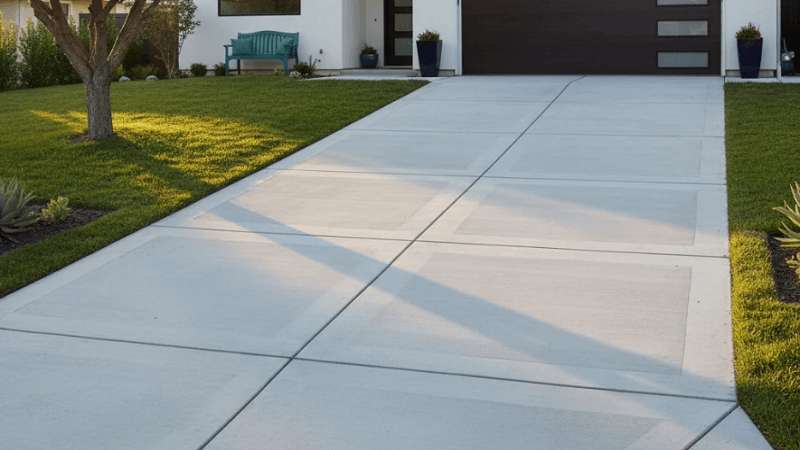
Few home improvements offer the same blend of durability, curb appeal, and return on investment as a new concrete driveway. Yet before homeowners commit, one question dominates every conversation: how much will it actually cost? The answer depends on several factors working together, and understanding them can help you plan a project that fits your budget without sacrificing quality.
A concrete driveway isn’t just a slab poured between your garage and the street. It’s the first thing visitors see, the surface your family walks across every day, and an investment that can last decades when installed correctly. Getting a clear picture of pricing upfront means fewer surprises and a smoother renovation experience from start to finish.
This guide breaks down the real factors that influence pricing, what to expect at different budget levels, and how to get the most value from your driveway project.
Why Does Pricing Vary So Much Between Projects?
No two driveways are priced the same, and that’s by design. Concrete work is highly customizable, which means your final cost reflects the specific choices you make along the way. Here are the primary variables that shape your quote:
Size and Thickness of the Slab
The square footage of your driveway is the most obvious cost driver, but thickness matters just as much. Standard residential driveways typically range from four to six inches thick. Thicker slabs cost more upfront but hold up better against heavier vehicles and resist cracking over time, which often saves money on repairs down the road.
Site Preparation and Excavation
Not every yard is a blank canvas. Sloped lots, poor soil drainage, or existing pavement that needs removal all add labor and equipment costs. Proper grading and a solid base layer are essential steps that prevent future settling, shifting, and cracking, so skipping them to save money upfront usually backfires.
Finish and Design Choices
A basic broom finish is the most budget-friendly option, offering excellent slip resistance at a lower price point. Stamped, stained, or exposed-aggregate finishes cost more because they require additional labor, materials, and specialized tools, but they also deliver a dramatically elevated look that can boost your home’s curb appeal and resale value.
Local Labor and Material Rates
Concrete pricing fluctuates based on regional labor costs and the current price of raw materials like cement and aggregate. Working with an experienced local contractor often means more accurate, competitive pricing since they understand regional supply chains and can avoid costly delays.
What’s Actually Included in a Driveway Quote?
A trustworthy quote should go beyond just materials. It typically accounts for:
- Demolition and removal of any existing driveway or debris
- Excavation and grading to create a stable, properly sloped base
- Base material installation, such as compacted gravel, to support the slab
- Reinforcement, including rebar or wire mesh for added strength
- Concrete pouring and finishing, tailored to your chosen texture and style
- Curing time and site cleanup once the work is complete
Transparent contractors will walk you through each line item so you know exactly what you’re paying for and why.
How Can You Get the Best Value for Your Investment?
Getting a beautiful, long-lasting driveway doesn’t require overspending. A few strategic decisions can help you stretch your budget further without compromising on quality.
Understanding your Concrete Driveway Cost Per Sq Ft before you start shopping for quotes puts you in a far stronger negotiating position and helps you compare estimates apples to apples. Homeowners who walk into consultations with a clear budget range tend to make faster, more confident decisions and avoid upsells that don’t align with their goals.
Choosing a contractor who prioritizes proper site prep over cutting corners also pays off. A driveway installed on a weak base may look fine initially but can develop cracks and drainage issues within a few years, leading to expensive repairs that far outweigh any initial savings.
It’s also worth thinking beyond the driveway itself. Many homeowners pair their concrete project with complementary upgrades to their outdoor space. For instance, enhancing your entryway’s evening ambiance with well-placed pendant lights along the driveway or front walk adds both safety and style, creating a welcoming glow that makes your home stand out after dark.
Is a Decorative Finish Worth the Extra Cost?
Choose a decorative finish if curb appeal and long-term resale value matter more to you than minimizing upfront costs. Stamped concrete, for example, can mimic the look of brick, slate, or natural stone at a fraction of the price of those materials, while still offering the low-maintenance durability concrete is known for.
On the other hand, a standard broom finish makes sense if you’re prioritizing budget and function over aesthetics, particularly for secondary driveways, utility areas, or rental properties where appearance is a lower priority.
Getting Started With Your Driveway Project
A new concrete driveway is one of the smartest exterior upgrades a homeowner can make. It boosts curb appeal, improves everyday functionality, and holds up to years of wear when installed by experienced professionals using quality materials and proper techniques.
The best way to move forward is to request a detailed, written estimate that breaks down every stage of the project, from site prep to final finish. That way, you’ll know exactly what you’re paying for and can make decisions with confidence rather than guesswork.
If you’re ready to explore your options, a conversation with a trusted concrete specialist can help you map out a plan that fits both your vision and your budget, setting the stage for a driveway that adds lasting value to your home.
Frequently Asked Questions
How long does it take to install a new concrete driveway?
Most residential driveway installations take between three and five days, including demolition, prep, pouring, and initial curing. Full strength curing can take up to a month, though the surface is typically usable within a week.
Does weather affect installation timing or quality?
Yes. Concrete cures best in moderate temperatures, so extreme heat or cold can affect scheduling and curing time. Experienced contractors know how to adjust their process to maintain quality regardless of season.
Can a cracked driveway be repaired instead of replaced?
Minor cracks can often be patched or resurfaced, but significant structural damage usually calls for a full replacement to ensure long-term durability and safety.
Will a new driveway increase my home’s resale value?
A well-maintained, attractive driveway is one of the first things buyers notice and can meaningfully boost curb appeal, making it a worthwhile investment even if you’re not planning to sell immediately.