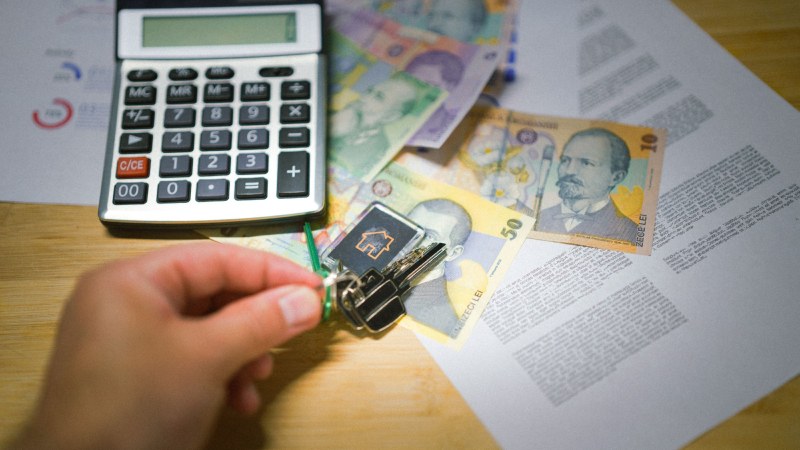
The last few months of a car lease are a decision point that most drivers reach without much preparation. When the contract was signed, lease end felt abstract. Now it is real, and the question of what to do next, return, buy, or start over with something new, requires a comparison of financial factors that many people have never had to think through before.
The stakes are meaningful. Returning a vehicle without checking the numbers can mean walking away from equity you could have kept. Buying out a lease without understanding the payment can mean committing to a monthly obligation that does not fit the budget. Comparing the options before making any decision is the financially responsible approach, and you can do it easily with the right tools.
How Lease Buyout Pricing Is Structured
Every lease contract includes a residual value: the predetermined price at which you can purchase the vehicle at the end of the term. This number was set at the beginning of the lease based on projected depreciation for your specific make, model, and trim. Once set, the residual does not change based on what actually happens to used car market conditions.
This fixed residual is the source of the buyout opportunity. In periods when used vehicle values have risen, the residual may be lower than the current market price of the car. That difference is equity. A driver who completes the buyout in that scenario is purchasing the car below what it would cost to buy the same vehicle on the open market. A driver who returns the car surrenders that gap to the leasing company.
On top of the residual, the total buyout cost includes a purchase option fee if your lease contract includes one, applicable state sales tax, and title and registration fees. The number that most people need for their decision is not the residual alone but what a financed buyout would actually cost them each month.
What a Lease Buyout Calculator Does
Running a monthly payment estimate manually requires knowing your residual value, your lender’s current payoff quote (which may differ slightly from the residual), your state’s tax rate, and the fees applicable to a vehicle purchase in your state. Gathering those inputs separately and calculating through them is doable but takes time most people do not want to spend.
A Lease Buyout Calculator handles this automatically. By entering your license plate number or VIN, the tool pulls your vehicle’s residual value and current payoff amount and applies taxes and fees to produce an estimated monthly payment for a financed buyout. The result is available in seconds and gives you a concrete monthly figure to compare against the cost of a new lease or purchase.
This kind of fast, specific estimate is what turns the lease buyout decision from a vague financial consideration into a comparison you can actually make.
Mileage Overages and Wear Charges
One reason the return option is not always as clean as it seems is the potential for end-of-lease charges. Leases include a contracted mileage allowance, typically between 10,000 and 15,000 miles per year. Driving beyond that triggers a per-mile overage charge, which accumulates quickly on higher-mileage overages. At 20 cents per mile, a 10,000-mile overage is a $2,000 charge billed at return.
Wear-and-tear charges add another layer. Lessors inspect vehicles at return against a set standard for acceptable condition. The leasing company bills damage beyond that standard, including scratches, chips, worn tires, interior staining, or cracked glass, separately. The leasing company often completes these assessments weeks after the return, which often surprises many drivers when they receive the final total.
Tallying your estimated mileage overage and wear exposure before lease end and comparing it to your monthly buyout payment estimate is the most direct way to see which option is actually cheaper.
Financing Without Going Back to the Dealer
A lease buyout does not have to be financed through the dealership or the manufacturer’s captive finance arm. Independent financing is available through companies that specialize in buyout transactions. Lease Maturity Services arranges financing for buyouts and works with drivers to complete the purchase without requiring a return to the dealership.
Your credit profile determines the rate you qualify for, as with any auto loan. If your financial situation has improved since you started the lease, the rates available to you now may be more favorable than you would expect.
One distinction worth clarifying: the payoff amount your lender quotes you is not necessarily identical to the residual in your contract. The payoff reflects the actual amount required to release the title, which may include small adjustments for remaining charges or fees. Getting the written payoff figure from your lender before running your estimate gives you the most accurate picture.
Making the Decision
The decision framework is straightforward once you have the numbers. Compare the current market value of your vehicle to your total buyout cost. Calculate your estimated mileage and wear exposure. Run your monthly payment estimate through the calculator. If the buyout math is favorable, buying the vehicle you already know and trust is often the most cost-effective path. If the numbers favor return, you return the car having made an informed choice rather than a default one.
The information needed to make that comparison is accessible and the calculation takes minutes. There is no good reason to make a lease-end decision without it.
Frequently Asked Questions
Is the Lease Buyout Calculator free to use?
Yes, it is completely free with no obligation to proceed with any purchase or financing after using it.
What is the difference between the residual value and the payoff amount?
The residual is the purchase price set in your lease contract. The payoff is what your finance company currently requires to release the vehicle title. They are often close but not always identical due to remaining charges or adjustments.
Can I get a buyout payment estimate before my lease is up?
Yes. You can run an estimate at any point during the lease term to understand what the buyout would look like, though the figures you receive will reflect current payoff data rather than projected end-of-lease amounts.
What happens to mileage overage charges if I buy the car?
Mileage overage charges are a return condition, not a purchase condition. If you complete a buyout, those charges do not apply.
How do I arrange financing if I decide to buy out my lease?
Lease Maturity Services specializes in buyout financing and works with drivers to complete the transaction without going through the dealer. You can reach out directly after using the calculator if you want to explore financing options.