
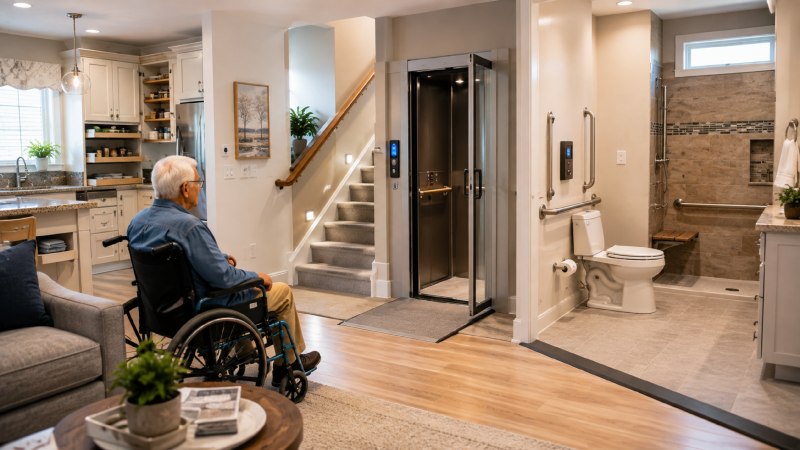
Home should always feel like a safe haven—a space where comfort, independence, and peace of mind come standard. However, for individuals experiencing mobility limitations due to aging, recovery from surgery, or chronic health conditions, navigating standard residential layouts can present unexpected daily obstacles. Simple tasks like reaching high cabinets, stepping over bathtub thresholds, or climbing a flight of stairs can quickly turn into frustrating hurdles.
Fortunately, creating an accessible living environment does not mean sacrificing style or home warmth. By implementing targeted modifications, adopting ergonomic equipment, and reimagining how your space functions, you can significantly enhance your quality of life. Here are practical, actionable tips designed to make everyday living safer, smoother, and more comfortable.
Reorganizing High-Traffic Living Spaces
One of the quickest ways to improve mobility at home is by evaluating and optimizing your floor plan. Furniture layouts that felt natural in the past might now create tight pinch points or tripping risks.
- Clear Wide Pathways: Ensure hallways and primary walkways are at least 36 inches wide to easily accommodate walkers, wheelchairs, or canes. Remove throw rugs, secure loose carpet edges with double-sided tape, and tuck away electrical cords along baseboards.
- Optimize Storage Heights: Reorganize kitchen, bathroom, and bedroom storage so daily essentials sit between waist and chest height. Slide-out cabinet drawers, pull-down shelves, and lazy Susans make cookware and food items accessible without requiring deep bending or overhead stretching.
- Upgrade Lighting: Inadequate lighting is a primary cause of trips and stumbles. Install motion-sensor nightlights along hallways and near doorways, and switch to smart bulbs that can be controlled via voice commands or smartphone apps.
Transforming the Bathroom for Safety
Bathrooms are statistically among the most hazardous areas in any home due to slippery surfaces and hard fixtures. A few thoughtful adjustments can significantly reduce slip risks while preserving privacy and dignity.
Sturdy grab bars anchored directly into wall studs beside the toilet and inside the shower stall offer essential stability—towel racks should never be relied on for balance support. Replacing a traditional bathtub with a low-threshold or walk-in shower eliminates dangerous stepping barriers. Additionally, lever-handle faucets, handheld showerheads, and raised toilet seats with padded armrests make personal hygiene routines far more comfortable and manageable.
Conquering Multi-Level Home Barriers
For multi-story residences, stairs often present the single greatest obstacle to full home enjoyment. When navigating steps becomes painful or unsafe, living space effectively shrinks to a single floor.
Ramps offer excellent outdoor accessibility solutions for small porch steps, but indoor multi-level challenges call for broader structural answers. While stair lifts provide one approach, residential elevators deliver a smooth, spacious, and future-proof method to transport individuals, mobility equipment, groceries, and laundry between floors effortlessly. For homeowners seeking long-term solutions without full structural overhauls, exploring affordable home elevators in Cheyenne, WY can transform multi-story houses into fully accessible forever homes. Installing an elevator preserves property value while ensuring every square foot of your house remains accessible for years to come.
Leveraging Smart Technology and Adaptive Tools
Modern home technology provides incredible advantages for individuals living with physical limitations. Smart home automation allows you to control door locks, thermostats, window blinds, and lighting without getting up or struggling with stiff manual switches.
In addition to digital systems, low-tech adaptive aids offer immediate daily relief:
- Long-handled reachers: Keep a universal grabber tool in key rooms to easily retrieve items from the floor or high shelves without straining.
- Dressing assists: Button hooks, zipper pulls, and long-handled shoehorns simplify dressing routines without requiring painful joint flexion.
- Ergonomic utensils: Weighted or contoured cutlery makes dining easier for those experiencing hand weakness or tremors.
Conclusion
Living with mobility limitations presents real challenges, but your home environment should empower you, not hold you back. By thoughtfully rearranging your layout, prioritizing bathroom safety, embracing smart automation, and investing in vertical mobility upgrades, you can maintain your freedom and confidence. Small changes make a meaningful difference, helping you enjoy every room of your home with ease and independence.