
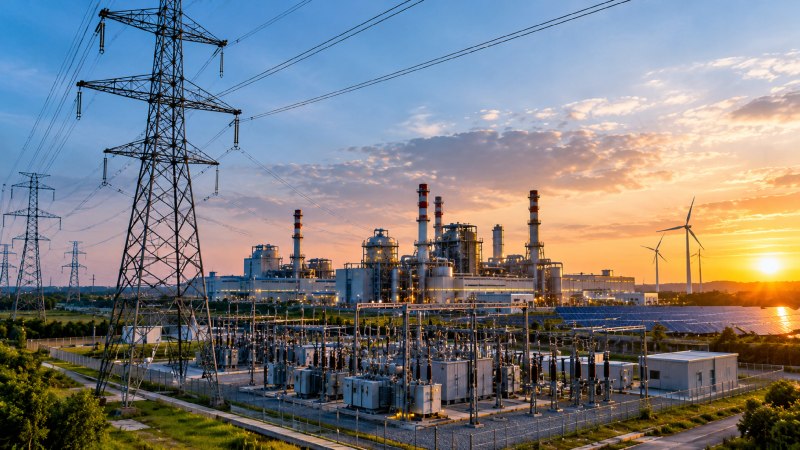
Rapid industrial expansion, driven by high-tech manufacturing, heavy processing facilities, massive data centers, and widespread electrification initiatives, is putting unprecedented pressure on power grids nationwide. As industrial facilities require increasingly dense electrical capacity and high power reliability, modernizing electric transmission networks and generation assets has become an urgent economic imperative. Expanding power infrastructure to keep pace with soaring industrial demand requires navigating complex engineering hurdles, supply chain bottlenecks, regulatory friction, and environmental considerations while maintaining daily grid stability.
Escalating Load Growth and Power Grid Bottlenecks
For decades, national electricity demand grew at a steady, predictable rate, allowing utility providers to plan capital investments and generation additions well in advance. However, the sudden surge in energy-intensive industrial facilities—such as high-density computing campuses, advanced semiconductor fabrication plants, and green hydrogen processing hubs—has created localized load growth spikes that exceed existing grid capacities.
Modern industrial sites often demand hundreds of megawatts of instantaneous power, a volume equivalent to the electricity needs of entire mid-sized cities. Integrating these massive load points into regional transmission networks creates severe thermal bottlenecks, causing localized transmission congestion and elevated risk of voltage instability during peak demand periods.
Utility operators face the immediate challenge of upgrading high-voltage substation transformers, reconductoring regional transmission lines, and reinforcing distribution circuits without interrupting power delivery to existing residential and commercial customers. Balancing rapid industrial load additions against system reliability constraints requires continuous, complex grid modeling and infrastructure investment.
Interconnection Delays and Regulatory Permitting Friction
Adding substantial electrical capacity to regional power grids involves navigating lengthy regulatory approval processes and complex interconnection queues. Electrical utilities and regional transmission organizations require comprehensive engineering impact studies to evaluate how new industrial loads affect local power quality, short-circuit levels, and system resilience.
The sheer volume of new power generation projects seeking grid connection—particularly renewable solar and wind facilities—has overwhelmed regional interconnection queues, creating multi-year administrative backlogs. Industrial operators eager to bring new processing facilities online frequently face severe delays while waiting for grid interconnection approvals and required transmission upgrades.
Furthermore, constructing new high-voltage transmission corridors across state, county, and municipal boundaries involves complex environmental impact reviews, land acquisition negotiations, and community zoning approvals. Navigating multi-jurisdictional permitting processes often adds years to project delivery timelines, delaying the deployment of critical industrial power infrastructure.
Streamlining Interconnection Impact Studies
Reforming regional queue management frameworks through cluster-based engineering evaluations helps speed up system impact assessments for waiting power projects.
Consolidating individual review procedures accelerates queue processing times while ensuring thorough grid reliability testing. Modernized interconnection policies help align infrastructure timelines with real-world industrial needs.
Navigating Multi-Jurisdictional Transmission Permitting
Establishing unified regulatory review committees across state and local boundary lines minimizes administrative friction when siting cross-country transmission lines.
Proactive community engagement and transparent environmental assessments build public trust early in line planning. Streamlined permitting frameworks protect infrastructure expansion schedules.
Supply Chain Bottlenecks and High Voltage Equipment Shortages
Expanding industrial power infrastructure requires specialized high-voltage equipment, including large power transformers, circuit breakers, switchgear, and advanced conductor cables. However, global supply chain disruptions and surging demand have created severe equipment lead times that threaten construction schedules.
Large power transformers—the central hubs of high-voltage transmission substations—frequently require lead times exceeding two to three years due to specialized manufacturing requirements and limited domestic production capacity. Shortages of electrical steel, copper windings, and high-purity insulating materials further compound manufacturing delays worldwide.
To mitigate supply chain vulnerability, utilities and large industrial developers are shifting toward proactive procurement strategies, reserving manufacturing slots early, and standardizing substation component designs. Overcoming equipment shortages is vital for keeping utility capacity expansions on schedule to meet urgent industrial timelines.
Managing Extended Lead Times for Power Transformers
Securing strategic equipment reservations and establishing long-term supply agreements with global manufacturers ensures timely component delivery for major substations.
Standardizing transformer specifications enables manufacturers to streamline production cycles and reduce custom engineering delays. Strategic component sourcing minimizes project delivery risks.
Expanding Domestic Electrical Manufacturing Capacity
Investing in localized manufacturing facilities for high-voltage electrical steel and critical grid components strengthens supply chain resilience.
Domestic production reduces reliance on international shipping corridors and lowers vulnerability to global trade disruptions. Localized supply chains support steady infrastructure expansion.
Integrating Renewable Power and Distributed Energy Generation
As industrial enterprises commit to corporate sustainability metrics and carbon reduction goals, energy infrastructure additions must incorporate substantial renewable power generation. Connecting large-scale solar arrays, wind farms, and battery energy storage systems into existing transmission lines provides clean power, but introduces operational complexity due to the intermittent nature of renewable enegy sources.
Balancing variable solar and wind generation against continuous, heavy industrial operations requires deploying utility-scale energy storage systems, advanced grid inverters, and fast-acting peaker capacity. Integrating microgrids and onsite generation assets helps industrial facilities offset peak grid demands directly, shielding regional networks from sudden load surges.
Partnering with experienced solar EPC contractors in Texas enables industrial developers to design, procure, and build robust onsite renewable generation systems alongside utility grid expansions. Combining utility transmission upgrades with hybrid, onsite clean power generation establishes a secure, sustainable energy baseline for high-demand industrial operations.
Deploying Utility-Scale Battery Storage for Grid Stabilization
Integrating lithium-ion and flow battery storage systems at major substation hubs buffers the grid against rapid fluctuations in renewable power output.
Battery storage absorbs excess solar power during mid-day generation peaks and discharges energy during high evening demand windows. Energy storage integration protects power quality and grid frequency.
Building Resilient Industrial Microgrids
Constructing localized microgrids that combine solar power, energy storage, and backup thermal generation allows industrial facilities to maintain critical operations during external power outages.
Microgrids operate seamlessly in island mode when central grid disruptions occur, safeguarding sensitive manufacturing equipment. Localized microgrids enhance total operational resilience.
Hih Capital Expenditures and Allocation of Infrastructure Costs
Constructing new high-voltage transmission lines, building advanced electrical substations, and deploying grid-scale energy storage requires billions of dollars in capital investment. Determining how these immense infrastructure costs are fairly allocated between industrial developers and retail utility ratepayers presents a sensitive regulatory challenge.
If utilities pass all grid expansion costs onto general rate bases, residential and small business consumers face higher monthly electric bills to support commercial ventures. Conversely, forcing industrial developers to absorb all regional transmission upgrade costs upfront can make major capital projects financially unviable, driving industrial investment to alternative regions.
Regulators and utility executives must structure balanced cost-allocation mechanisms—such as phased capacity tariffs, special economic development rates, and public-private infrastructure partnerships—that fund necessary grid expansions fairly. Equitable cost allocation ensures power networks scale without placing unfair financial burdens on local communities.
Structuring Targeted Industrial Capacity Tariffs
Implementing customized tariff structures allows high-demand industrial clients to fund the specific electrical infrastructure upgrades required for their operations.
Tailored tariffs prevent shifting expansion costs onto residential consumers while providing industrial firms with clear, predictable energy expenses. Targeted cost recovery balances community and commercial interests.
Leveraging Public-Private Infrastructure Financing
Forming strategic public-private partnerships enables private capital funds to co-finance major transmission line developments alongside public utilities.
Private capital infusions accelerate infrastructure buildouts while reducing immediate debt obligations for regional power utilities. Innovative financing models accelerate major grid modernizations.
Workforce Shortages in Specialized Electrical Engineering
Expanding and modernizing power grids requires a highly skilled workforce, including electrical engineers, high-voltage linemen, substation technicians, and power systems software developers. However, the energy industry is experiencing a significant skilled labor shortage as a large percentage of senior utility engineers reach retirement age.
Constructing thousands of miles of new transmission lines and installing complex digital substation controls requires specialized technical expertise that takes years to cultivate. A shortage of qualified electrical workers leads to project delays, elevated labor costs, and increased safety risks during complex high-voltage installations.
Addressing labor constraints requires aggressive investment in vocational training programs, university electrical engineering partnerships, and specialized apprenticeship initiatives. Cultivating a robust talent pipeline of high-voltage trade professionals is essential for executing large-scale power infrastructure projects efficiently and safely.
Expanding Technical Apprenticeship Programs
Partnering with trade unions and community colleges to launch targeted high-voltage electrical apprenticeships builds a qualified pool of line technicians.
Hands-on field training combined with classroom technical instruction prepares workers for safe execution in complex high-voltage environments. Expanded apprenticeships solve skilled labor shortages.
Deploying Digital Grid Simulation and Automation Tools
Utilizing modern digital twin software and automated engineering models accelerates grid design and reduces manual design hours for system engineers.
Digital engineering platforms allow lean technical teams to model complex transmission networks accurately and manage larger infrastructure portfolios. Advanced software tools optimize engineering productivity.
Conclusion
Expanding power infrastructure to meet rapid industrial demand is a multifaceted, high-stakes endeavor that requires balancing immediate load growth with long-term grid stability, environmental sustainability, and financial equity. By addressing transmission bottlenecks, reforming interconnection procedures, navigating supply chain constraints, integrating renewable generation, structuring fair capital financing, and expanding the technical workforce, energy providers and industrial leaders can build a resilient power grid. Overcoming these infrastructure challenges guarantees that expanding industrial sectors receive the reliable, clean, and continuous power required to drive long-term economic prosperity.