
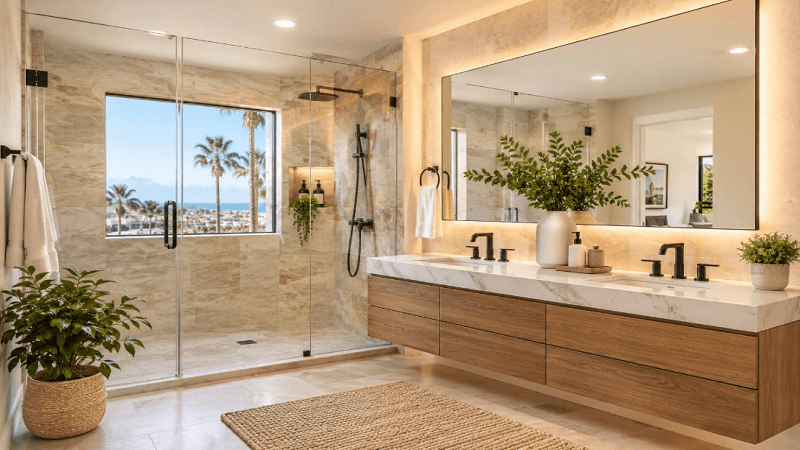
An outdated bathroom can affect more than your daily comfort. Worn fixtures, poor lighting, limited storage, and inefficient layouts can make an otherwise attractive home feel neglected. In San Diego’s competitive real estate market, a modern, well-maintained bathroom can help create a stronger impression on potential buyers. A thoughtfully planned bathroom renovation San Diego can improve functionality, refresh the interior, and make the property more appealing without requiring unnecessary luxury upgrades. From contemporary vanities and walk-in showers to durable flooring, efficient fixtures, and improved lighting, the right changes can make a meaningful difference. The key is to balance attractive design with practical improvements, quality materials, and a renovation budget that makes sense for the property’s condition and long-term goals.
1. Understand How Bathroom Renovations Influence Home Value
Bathrooms are important spaces when buyers evaluate a residential property. Along with kitchens, they can influence how well-maintained, comfortable, and functional a home appears. Outdated faucets, damaged tiles, stained grout, poor lighting, and inadequate storage may create concerns about additional maintenance or future renovation expenses.
Modern bathroom features can improve the overall presentation of a property. Updated fixtures, clean surfaces, efficient layouts, and coordinated finishes help create an interior that feels more current and usable.
However, not every renovation produces the same financial benefit. Cosmetic improvements, such as replacing hardware or repainting, address appearance, while functional renovations may involve plumbing, storage, ventilation, or layout changes.
Before investing, consider the property’s age, neighborhood, current condition, and likely buyer expectations. The objective should be to improve the bathroom in a way that complements the home’s overall value rather than spending beyond what the property and local market can reasonably support.
2. Upgrade Bathroom Fixtures for a Modern and Functional Appearance
Outdated bathroom fixtures can make the entire room look older, even when the walls and flooring are in good condition. Replacing faucets, showerheads, toilets, and hardware is one way to refresh the space while improving everyday usability.
Modern finishes such as brushed nickel, matte black, chrome, and brass offer different design possibilities. Brushed nickel can create a subtle, understated appearance, while matte black provides stronger contrast. Chrome remains a versatile option, and brass can introduce warmth when used thoughtfully.
Water-efficient faucets, showerheads, and toilets can also help reduce unnecessary water consumption. When selecting new fixtures, consider performance, durability, maintenance requirements, and compatibility with existing plumbing.
Consistency is equally important. Coordinating faucet finishes, shower hardware, towel bars, and cabinet handles can create a more polished appearance. These smaller upgrades may not require a complete remodel, but they can make a bathroom feel cleaner, more functional, and better maintained.
3. Install Modern Bathroom Vanities and Smart Storage Solutions
A bathroom should provide enough storage to keep everyday essentials organized without making the space feel crowded. An outdated vanity with limited cabinet space can create clutter and reduce the room’s functionality.
Modern bathroom vanities offer several options depending on the available floor area and household requirements. Floating vanities can create a more open visual effect, while double-sink vanities may suit larger bathrooms used by multiple people. Custom bathroom cabinets can also provide storage that fits unusual dimensions.
Consider practical features such as:
- Deep drawers for toiletries and personal care products.
- Built-in organizers for smaller bathroom essentials.
- Medicine cabinets for additional concealed storage.
- Moisture-resistant cabinetry materials for bathroom conditions.
- Quartz or natural stone countertops for a durable, finished appearance.
Material selection should account for humidity, cleaning requirements, and long-term use. The vanity should also complement the bathroom’s dimensions, lighting, flooring, and plumbing arrangement.
A well-planned vanity improves organization while giving the room a more coordinated and contemporary appearance.
4. Create a Spa-Inspired Bathroom With Modern Shower and Bathtub Designs
A well-designed shower or bathtub can become the visual focus of a bathroom. Modern shower features can improve comfort, simplify cleaning, and create a more spacious appearance.
Walk-in showers are popular because they can provide convenient access and work with different bathroom layouts. Frameless glass shower enclosures reduce visual barriers, while rainfall showerheads can create a more relaxing bathing experience. Built-in shower niches and benches provide additional convenience without requiring separate storage furniture.
Freestanding bathtubs can also create an attractive focal point in larger bathrooms where sufficient space is available. However, their placement should not interfere with circulation or essential bathroom functions.
Appearance should never come at the expense of installation quality. Proper waterproofing, suitable drainage, and correctly installed shower components help protect surrounding materials from moisture damage.
The best design balances comfort, accessibility, available space, and maintenance. A spa-inspired bathroom does not need excessive features. Thoughtful selections and professional installation can create a refined space that remains practical for everyday use.
5. Choose High-Quality Bathroom Tiles and Flooring Materials
Bathroom flooring and wall finishes influence the room’s appearance, durability, and maintenance requirements. Since bathrooms experience regular moisture exposure, material selection should prioritize suitability for wet environments.
Porcelain and ceramic tiles are common choices because they are available in a wide range of colors, patterns, and sizes. Porcelain is generally dense and has low water absorption, while ceramic offers flexibility in design and can suit many wall and floor applications. Natural stone provides distinctive patterns and textures, although some stone surfaces require additional sealing and maintenance.
Consider these factors when choosing bathroom finishes:
- Slip-resistant flooring for areas exposed to water.
- Moisture-suitable materials for shower walls and floors.
- Grout types and cleaning requirements.
- Large-format tiles for a more continuous visual appearance.
- Neutral colors that complement the home’s existing design.
Consistent flooring, wall tiles, and shower finishes can make the bathroom feel more cohesive. Professional tile installation also matters because uneven surfaces, poor drainage, and improperly finished grout can affect long-term performance.
Choose materials that combine appearance with practical maintenance rather than selecting finishes based only on current design trends.
6. Improve Bathroom Lighting, Ventilation, and Energy Efficiency
Lighting and ventilation are essential parts of bathroom design. Poor illumination can make grooming and other daily activities difficult, while inadequate ventilation allows moisture to accumulate and may contribute to mold or material deterioration.
A layered lighting plan helps address different needs. Vanity lighting supports grooming tasks, ambient lighting illuminates the overall room, and accent lighting can highlight architectural features. LED fixtures and illuminated mirrors can provide modern styling while supporting energy efficiency.
Natural light can also improve the appearance of smaller bathrooms. Where privacy allows, appropriately positioned windows or other suitable daylight solutions can make the room feel more open.
Ventilation deserves equal attention. An appropriately selected exhaust fan helps remove humid air, particularly after showers and baths. Its installation should follow applicable mechanical and electrical requirements.
Water-efficient fixtures and energy-efficient lighting can support practical household savings over time. These upgrades may not dramatically change the bathroom’s appearance individually, but together they can improve comfort, usability, and long-term performance.
7. Incorporate Modern Bathroom Design Trends That Appeal to San Diego Buyers
Modern bathroom design often focuses on simplicity, functionality, and materials that remain attractive over time. San Diego homeowners can create contemporary interiors without relying on trends that may quickly become outdated.
Minimalist layouts, neutral color palettes, and clean architectural lines can help bathrooms feel organized and spacious. Natural textures, wood-look finishes, and stone surfaces can introduce warmth while maintaining a modern appearance.
Other popular design features include:
- Frameless glass shower enclosures.
- Floating bathroom vanities.
- Large mirrors and simple hardware.
- Warm LED lighting.
- Contemporary tile patterns and natural finishes.
- Walk-in showers with practical storage niches.
The most successful design choices reflect the home’s architecture and neighborhood rather than copying a trend without considering its suitability.
For example, a bathroom in a traditional property may benefit from modern fixtures combined with classic tile patterns. A newer home may suit simpler cabinetry and more streamlined finishes.
Timeless design is often a practical approach when resale appeal matters. Buyers may have different preferences, so a balanced bathroom design can make the property easier to appreciate without appearing overly personalized.
8. Understand Bathroom Remodeling Costs and Return on Investment in San Diego
Bathroom renovation costs depend on the project’s scope, material selections, labor requirements, and existing property conditions. Replacing a vanity and fixtures will involve a different budget from a complete remodel that includes new plumbing, electrical work, tile installation, and layout modifications.
Common cost factors include:
- Bathroom size and existing condition.
- Vanity, cabinetry, and countertop selections.
- Shower, bathtub, and plumbing fixtures.
- Flooring and wall tile materials.
- Labor and specialist installation.
- Plumbing and electrical modifications.
- Waterproofing, ventilation, and permit requirements.
Cosmetic Updates vs. Complete Bathroom Renovations
Cosmetic updates focus on appearance. They may include replacing faucets, mirrors, lighting, cabinet hardware, or selected finishes.
A partial remodel may involve a new vanity, updated flooring, or a shower replacement while keeping the existing layout.
A complete renovation generally involves more extensive work, potentially including plumbing changes, electrical upgrades, new surfaces, structural modifications, and redesigned layouts.
Plan a Budget Around Your Property’s Needs
Obtain detailed written estimates before committing to construction. Compare the proposed scope, materials, labor, exclusions, and payment terms rather than focusing only on the total price.
Bathroom remodeling ROI also varies according to the local real estate market, property condition, renovation quality, and buyer expectations. An expensive renovation does not automatically produce a higher resale value.
Prioritize durable materials, functional improvements, and quality workmanship. These decisions can support long-term usability while helping homeowners avoid spending on features that do not suit the property.
9. Follow San Diego Building Codes and Bathroom Remodeling Permit Requirements
Some bathroom improvements are relatively straightforward, while others may require permits and inspections. Requirements depend on the type of work, property location, and applicable building regulations.
Cosmetic updates such as replacing certain finishes may not require the same approvals as plumbing, electrical, structural, or mechanical modifications. Moving plumbing connections, changing electrical circuits, modifying walls, or altering ventilation systems may trigger additional requirements.
For properties within the City of San Diego, homeowners can consult the City of San Diego Development Services Department for information about building permits, plan reviews, and inspections.
Important considerations include:
- Plumbing work that requires permits or inspection.
- Electrical modifications and applicable safety requirements.
- Structural changes and wall alterations.
- Bathroom ventilation and moisture control.
- Proper waterproofing and installation practices.
Work must comply with applicable provisions of the California Building Standards Code and local requirements.
Homeowners should confirm the requirements for their specific project before construction begins. Properties outside the City of San Diego may fall under different local jurisdictions, so the correct building department should be contacted.
10. Choose the Right Bathroom Remodeling Contractor in San Diego
The quality of a bathroom renovation depends on more than design selections. Proper coordination between plumbing, electrical work, tile installation, waterproofing, cabinetry, and finishing is essential for a successful result.
Choosing an experienced bathroom remodeling contractor in San Diego can help homeowners organize these activities and maintain consistency throughout the project.
Before hiring a contractor, consider the following:
- Review previous projects: Ask for examples of completed bathroom renovations that demonstrate relevant experience.
- Verify the license: Check the contractor’s licensing information through the California Contractors State License Board (CSLB).
- Confirm insurance: Ask about appropriate insurance coverage for the proposed renovation.
- Request a written estimate: Review the scope, materials, exclusions, costs, and payment schedule.
- Understand the timeline: Ask how the contractor plans to coordinate different trades and construction stages.
- Evaluate communication: Choose a professional who explains project decisions and documents approved changes.
Do not select a contractor based only on the lowest estimate. A detailed proposal, relevant experience, transparent communication, and clear project responsibilities provide a better basis for comparison.
Frequently Asked Questions About Modern Bathroom Designs and Home Value
1. Can a Modern Bathroom Renovation Increase My San Diego Home’s Value?
A modern bathroom renovation can improve buyer appeal by updating fixtures, improving layouts, adding practical storage, and creating an attractive interior. However, the actual effect on resale value depends on renovation costs, property condition, workmanship, and local market demand. No specific increase is guaranteed.
2. Which Bathroom Upgrades Add the Most Appeal to a Home?
Popular improvements include walk-in showers, modern vanities, updated lighting, durable flooring, improved ventilation, and water-efficient fixtures. The most suitable upgrades depend on the existing bathroom and the expectations of buyers in the property’s price range.
3. How Much Does a Bathroom Remodel Cost in San Diego?
Costs depend on bathroom size, material selections, labor, plumbing changes, fixture quality, and project complexity. A cosmetic update generally involves a smaller scope than a complete renovation. Request a detailed estimate based on the actual property and planned improvements.
4. Do I Need a Permit for Bathroom Remodeling in San Diego?
Permit requirements depend on the work being performed. Certain cosmetic updates may not require permits, while qualifying plumbing, electrical, structural, and mechanical modifications may require approvals and inspections. Confirm requirements with the relevant local building department.
5. How Long Does a Bathroom Renovation Usually Take?
The timeline depends on renovation scope, material availability, contractor scheduling, and inspection requirements. A smaller update may take less time than a complete bathroom remodel involving plumbing changes, waterproofing, tile installation, and other construction work. Ask for a project-specific schedule before work begins.
Final Thoughts :
A modern bathroom should offer more than an attractive appearance. It should provide everyday comfort, practical storage, efficient fixtures, durable surfaces, and a layout that suits your household’s needs. Thoughtful improvements can also enhance the overall appeal of a San Diego home, making a bathroom renovation a worthwhile investment when future resale is a consideration.
Just as thoughtful design improves the functionality of commercial spaces, a well-planned bathroom remodel can transform how your home looks, feels, and functions. The best results come from balancing design preferences with the property’s condition, renovation budget, and long-term requirements. If you’re planning to upgrade your bathroom, NJ Design & Build can help bring your ideas to life with professional renovation solutions tailored to your home. Contact the team to discuss your project and take the next step toward a more functional, comfortable bathroom.