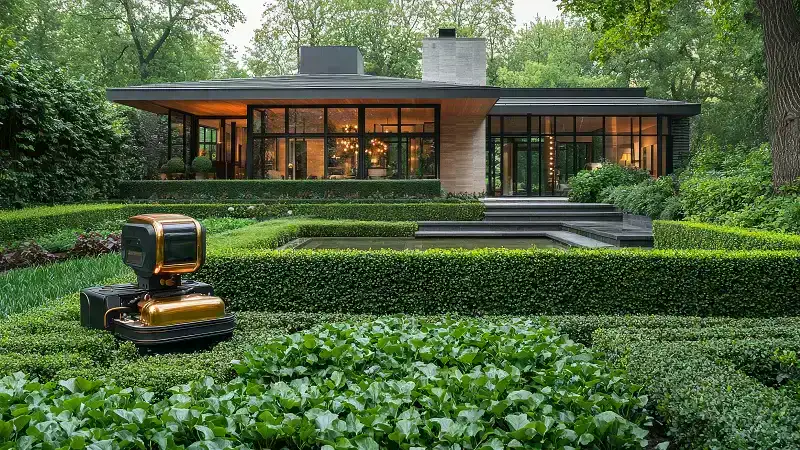
Creating a beautiful and functional yard doesn’t need to be complicated or expensive. With the right plan, creativity, and practical approach, anyone can transform an ordinary outdoor space into a stunning landscape. In this guide, Landscape Design Made Easy: Create a Practical and Stunning Yard, we’ll explore simple yet effective techniques to make your yard not only attractive but also easy to maintain and enjoyable throughout the year.
Whether you’re starting from scratch or refreshing an existing garden, this article will guide you through every step from planning and designing to selecting plants, adding décor, and maintaining your yard’s beauty.
1. Understanding the Basics of Landscape Design
Before diving into planting or building, it’s important to understand the fundamental principles of landscape design. These principles help you create a balanced and harmonious outdoor space that looks professional and inviting.
a. Unity
Unity means all elements in your yard, plants, hardscape, and decorations, work together to create a consistent theme. Repeating colors, textures, or shapes helps tie everything together.
b. Balance
Balance ensures your design feels stable. You can choose:
-
Symmetrical balance – both sides of your yard mirror each other.
-
Asymmetrical balance – elements differ but still feel balanced visually.
c. Proportion
Proportion refers to the relationship between different features in your landscape. A small yard should not have oversized trees, while a large yard can handle bigger features like pergolas or fountains.
d. Focal Points
Every great yard has one or more focal points—a feature that draws attention. It could be a beautiful tree, a water feature, or a colorful flower bed.
2. Start with a Solid Plan
A well-designed landscape starts with a clear plan. It helps you avoid mistakes, save money, and make sure your yard meets your lifestyle needs.
Step 1: Analyze Your Space
Walk around your yard and take notes. Notice where the sun hits during the day, where shade falls, and how water drains. Identify areas for sitting, gardening, or pathways.
Step 2: Define Your Purpose
Ask yourself how you’ll use the space. Do you want a relaxing retreat, a play area for kids, a place for entertaining, or a productive garden? The purpose will guide your design choices.
Step 3: Draw a Rough Sketch
Sketch your yard layout on paper or use free landscape design apps. Include existing features like trees or driveways and mark areas for new additions like patios, flower beds, or walkways.
3. Choose the Right Plants

Plants are the heart of any landscape. Selecting the right ones ensures beauty and low maintenance.
a. Go for Native Plants
Native plants are naturally suited to your region’s climate and soil, meaning they require less water and care. They also attract pollinators like bees and butterflies, making your yard lively and eco-friendly.
b. Layer Your Plants
Create depth by layering plants:
-
Tall plants at the back
-
Medium-height shrubs in the middle
-
Low-growing flowers or ground covers at the front
This arrangement gives your yard a professional, lush look.
c. Consider Seasonal Interest
Choose plants that bloom in different seasons to ensure your yard looks beautiful year-round. For example:
-
Spring: Tulips, daffodils
-
Summer: Roses, hydrangeas
-
Fall: Chrysanthemums, maples
-
Winter: Evergreens and ornamental grasses
d. Mind the Maintenance
If you have a busy schedule, pick low-maintenance plants such as lavender, hostas, or succulents. Avoid species that need constant pruning or watering.
4. Add Structure with Hardscaping
Hardscaping refers to the non-plant features of your yard—such as patios, walkways, retaining walls, fences, and decks. They provide structure and functionality.
a. Create Welcoming Paths
Paths guide visitors through your yard. Use materials like stone, brick, or gravel for an organic look. Curved paths feel more natural, while straight ones suit formal gardens.
b. Build a Patio or Deck
A patio or deck provides a comfortable area to relax or host gatherings. You can decorate it with potted plants, outdoor furniture, and string lights to make it inviting.
c. Add Water Features
Fountains, ponds, or small waterfalls add movement and sound to your yard. Even a simple birdbath can become a peaceful focal point.
d. Use Lighting for Ambiance
Outdoor lighting extends your yard’s usability into the evening. Solar lights, lanterns, or spotlights along pathways and trees add charm and safety.
5. Design for Functionality and Comfort
A practical landscape doesn’t just look good—it’s easy to use and maintain.
a. Create Zones
Divide your yard into zones based on activities. For example:
-
A dining zone with a patio table
-
A play zone for kids
-
A relaxation zone with hammocks or benches
Zoning makes your yard more organized and user-friendly.
b. Ensure Proper Drainage
Poor drainage can ruin your plants and damage your yard. Use slopes, drains, or gravel beds to ensure rainwater flows away from structures.
c. Choose Durable Materials
For walkways, patios, or furniture, choose weather-resistant materials like treated wood, concrete, or composite decking that can withstand changing seasons.
6. Use Color and Texture Wisely
Color and texture are what make your landscape visually appealing.
a. Play with Color Schemes
Use a mix of warm and cool colors to create harmony. Warm tones like red and orange create energy, while cool tones like blue and green calm the space.
b. Add Texture
Combine smooth leaves with rough bark or spiky plants with soft flowers for interesting contrasts. This adds richness to your design even when flowers aren’t blooming.
c. Highlight with Contrast
Place dark plants behind light-colored flowers or vice versa. It helps focal points stand out and gives depth to your yard.
7. Sustainable Landscaping Tips
Modern landscaping focuses on sustainable design with the environment in mind.
a. Conserve Water
Install a rain barrel to collect water for your plants. Use drip irrigation systems instead of sprinklers to reduce waste.
b. Use Mulch
Mulch keeps soil moist, reduces weeds, and gives flower beds a neat finish. Organic mulch also enriches the soil as it decomposes.
c. Recycle and Repurpose
Repurpose old containers as planters or use reclaimed wood for raised garden beds. It saves money and reduces waste.
d. Attract Wildlife
Include bird feeders, bee-friendly plants, or butterfly gardens. These features promote biodiversity and make your yard feel more alive.
8. Add Personal Touches
A beautiful yard reflects your personality and style.
a. Outdoor Art
Sculptures, wind chimes, or garden signs add charm and individuality. Just don’t overdo it balance is key.
b. Cozy Corners
Add a bench under a tree or a small table beside a flower bed for reading or relaxing moments.
c. Fire Pit or Outdoor Kitchen
If you enjoy entertaining, an outdoor kitchen or fire pit can become a focal point for social gatherings.
d. Themed Gardens
You can create themed sections like:
-
A Zen garden with rocks and minimal plants
-
A Mediterranean corner with olive trees and terracotta pots
-
A wildflower garden for a natural, meadow-like effect
9. Maintain Your Yard with Ease
A stunning yard needs regular care, but it doesn’t have to take all your time.
a. Weekly Tasks
-
Water plants deeply (not frequently).
-
Remove weeds before they spread.
-
Sweep paths and patios.
b. Monthly Tasks
-
Prune overgrown shrubs.
-
Check soil health and add fertilizer if needed.
-
Inspect hardscapes for cracks or damage.
c. Seasonal Care
-
Spring: Plant new flowers and clean debris.
-
Summer: Mulch to retain moisture.
-
Fall: Rake leaves and prepare plants for winter.
-
Winter: Protect sensitive plants with covers or move them indoors.
Consistency is the secret to maintaining a vibrant yard year-round.
10. Common Landscaping Mistakes to Avoid
Even experienced gardeners make errors. Here are some to watch for:
-
Overcrowding plants: Give them room to grow.
-
Ignoring sunlight needs: Not all plants thrive in the same light.
-
Skipping soil testing: Soil quality affects plant health.
-
Forgetting the maintenance factor: Choose plants and designs you can realistically care for.
-
No long-term vision: Plan for how your yard will evolve over the years, not just months.
11. Budget-Friendly Landscaping Ideas
You don’t need a big budget to create a beautiful yard.
-
Use gravel instead of concrete for walkways.
-
Grow plants from cuttings or seeds instead of buying full-grown ones.
-
Swap plants with neighbors to add variety.
-
Use solar lights instead of wired ones for easy installation and energy savings.
-
Try DIY décor like painted rocks or pallet planters.
12. Future Landscaping Trends
Modern landscaping continues to evolve with technology and lifestyle changes. Here are some exciting trends to watch:
-
Smart irrigation systems that adjust watering automatically.
-
Eco-friendly designs using drought-tolerant plants.
-
Edible landscapes blend fruits, vegetables, and flowers.
-
Outdoor living spaces with Wi-Fi zones and cozy lighting.
These innovations show that landscaping is not just about beauty—it’s about smarter, more sustainable living.
Conclusion Landscape Design: Create a Practical and Stunning Yard
Creating your dream yard doesn’t have to be overwhelming. With Landscape Design Made Easy: Create a Practical and Stunning Yard, you now have the tools and ideas to design an outdoor space that reflects your lifestyle, saves time, and brings joy every day.
Start small plan your space, choose the right plants, and add personal touches. Remember that landscaping is an ongoing process. Every season gives you the chance to experiment, learn, and enhance your yard’s beauty.
A well-designed landscape is more than a pretty view it’s your personal retreat, your connection to nature, and a reflection of your creativity.