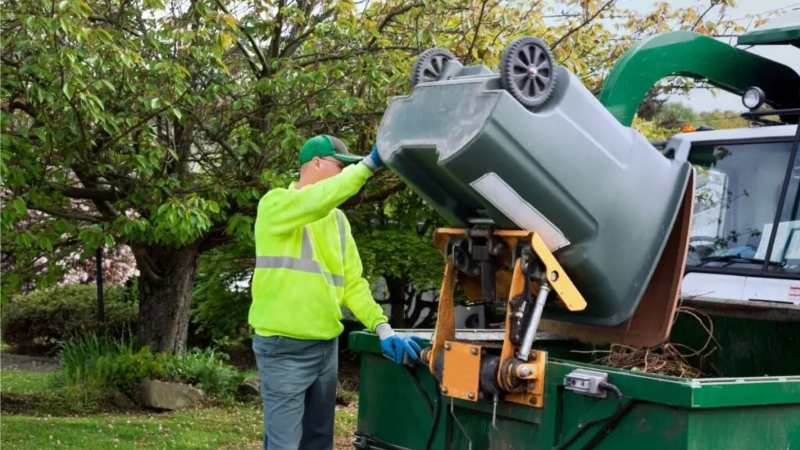
Property upgrades often involve far more than planting new shrubs or laying fresh mulch. Large landscaping improvements can include clearing overgrown areas, removing outdated hardscapes, regrading sections of the property, trimming trees, and installing entirely new outdoor features. As these projects progress, debris builds up quickly and can easily interfere with productivity if it is not managed properly.
For landscapers, handling yard debris efficiently is essential for maintaining an organized work environment, protecting finished areas, and keeping projects moving on schedule. A well-planned debris strategy allows crews to focus on installation work instead of spending unnecessary time relocating piles of material across the property.
Why Property Upgrades Generate Significant Debris
Major landscaping upgrades often begin with demolition and clearing phases that produce more waste than many clients expect. Existing materials must be removed before new features can be installed.
Common debris types include:
- Branches, shrubs, and overgrown vegetation
- Soil and sod from grading work
- Tree roots and small stumps
- Gravel, stone, and outdated hardscape materials
- Wood from fences or landscape structures
- Packaging from new landscaping supplies
Because projects frequently involve several work zones, debris can spread across large portions of the property very quickly.
The Importance of Planning Debris Removal Early
One of the biggest mistakes on landscaping projects is treating cleanup as something that happens only at the end. In reality, debris management should begin before the first shovel goes into the ground.
Without a clear plan, contractors may face:
- Piles of debris blocking active work areas
- Increased labor from moving materials repeatedly
- Damage to newly completed sections of the landscape
- Slower overall project progress
Planning ahead helps landscapers maintain control throughout the project instead of reacting to clutter after it builds up.
Estimating the Amount of Yard Debris
Before work begins, landscapers should evaluate how much debris the project is likely to generate. This helps determine what type of disposal setup will be needed.
Important factors include:
- Size of the property
- Amount of vegetation being removed
- Scope of grading or excavation work
- Existing hardscape demolition requirements
Accurate estimates help avoid interruptions caused by insufficient disposal capacity.
Using Centralized Disposal for Better Organization
A centralized disposal solution allows crews to move debris directly to one location instead of creating temporary piles throughout the property.
Many landscaping contractors coordinate waste removal through Waste Removal USA to simplify cleanup during large property upgrades.
Centralized disposal helps:
- Keep work zones cleaner
- Reduce unnecessary material handling
- Improve organization across the project
- Make final cleanup much easier
This approach also helps maintain a more professional appearance throughout the job.
Choosing the Right Container for Landscape Debris
Landscape projects generate both bulky and heavy materials, so selecting the right container size is important. Brush and branches take up large amounts of space, while soil and stone add significant weight.
Landscapers should consider:
- Volume of vegetation being removed
- Amount of excavation or grading involved
- Length of the project timeline
- Whether demolition and installation phases overlap
Planning for adequate capacity prevents delays and reduces the need for emergency pickups.
Positioning Containers Strategically
Proper container placement improves efficiency significantly on outdoor projects. Containers should be easy for crews to access without interfering with active landscaping work.
Effective placement strategies include:
- Positioning near central work zones
- Placing along accessible driveways or entrances
- Avoiding areas that will later be finished or landscaped
Reducing hauling distance saves labor and helps crews maintain productivity.
Managing Debris Across Multiple Work Areas
Large property upgrades often involve several active zones at once. Crews may be grading one area while installing hardscapes or planting in another.
To stay organized:
- Create designated debris collection points for each zone
- Move materials to the main container regularly
- Avoid allowing debris to accumulate near completed work
This keeps the property manageable throughout every phase of the project.
Handling Soil and Heavy Materials Carefully
Soil, stone, and concrete are much heavier than typical yard debris and can quickly push containers to their weight limits.
To manage these materials efficiently:
- Load heavy debris evenly throughout the container
- Avoid overfilling with dense materials
- Monitor container capacity throughout the project
Balancing weight properly helps ensure smooth removal and avoids delays.
Breaking Down Brush and Vegetation
Brush and branches can consume large amounts of space if they are not processed efficiently before disposal.
Best practices include:
- Cutting long branches into smaller sections
- Compressing brush whenever possible
- Stacking materials neatly inside the container
Efficient loading extends container capacity and reduces the need for extra pickups.
Scheduling Regular Debris Removal
Landscape upgrades produce debris continuously, especially during site preparation and demolition phases. Waiting too long between pickups can create clutter and slow down crews.
Landscapers should:
- Monitor how quickly debris accumulates
- Schedule pickups before containers become overloaded
- Increase service frequency during heavy clearing phases
Consistent removal helps maintain a clean and workable environment.
Protecting Finished Landscape Features
As new landscaping elements are installed, protecting completed work becomes increasingly important. Debris movement can damage turf, hardscapes, or newly planted areas if not managed carefully.
Contractors should:
- Keep debris away from finished zones
- Use designated routes for transporting materials
- Remove waste promptly from completed areas
Protecting finished work helps preserve the quality of the final result.
Maintaining Safety Throughout the Project
Debris scattered across a landscape site creates safety hazards for both workers and property owners.
Proper debris management helps:
- Keep walkways and access points clear
- Reduce tripping hazards
- Improve visibility around equipment operations
- Maintain safer working conditions overall
A cleaner site supports smoother operations and fewer interruptions.
Adapting to Weather and Site Conditions
Outdoor projects are heavily influenced by weather and changing site conditions. Rain, mud, and shifting soil can affect how debris is handled throughout the project.
Landscapers should be prepared to:
- Adjust container placement as ground conditions change
- Modify cleanup schedules during heavy weather
- Prevent debris from spreading during windy conditions
Flexibility helps maintain efficiency despite environmental challenges.
Improving Efficiency and Crew Productivity
When debris is handled efficiently, crews spend less time cleaning and more time focusing on installation work. This improves overall productivity and keeps projects moving forward.
Benefits include:
- Faster project completion
- Reduced labor spent relocating materials
- Better coordination across work zones
- Improved client impressions throughout the project
Efficient waste handling contributes directly to better project outcomes.
Establishing Daily Cleanup Procedures
Consistency is one of the most important parts of successful debris management. Daily cleanup routines prevent waste from becoming unmanageable.
Helpful practices include:
- End-of-day cleanup requirements
- Regular transport of debris to centralized containers
- Clear expectations for all crew members
Routine cleanup keeps projects organized from beginning to end.
Managing yard debris during property upgrades requires planning, coordination, and consistent attention throughout the project. By estimating debris volume early, using centralized disposal solutions, and maintaining regular cleanup practices, landscapers can keep projects organized and efficient.
When debris is handled properly, it supports productivity, protects completed work, and helps create a cleaner, more professional job site. For landscapers managing large property upgrades, effective debris management is an essential part of delivering successful results.