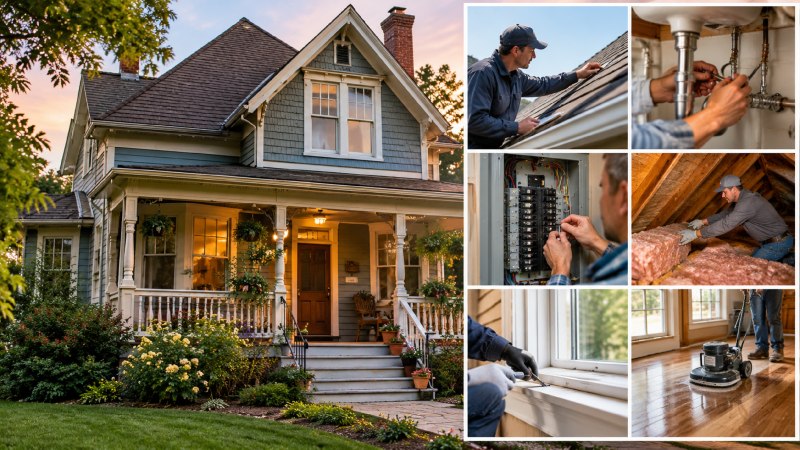
Older homes possess a unique, irreplaceable charm. From handcrafted woodwork and intricate trim to architectural details that reflect a bygone era, living in a vintage property offers a deep connection to history. However, preserving that beauty requires consistent, dedicated care. Without proper upkeep, age-related wear and tear can turn minor quirks into structural hazards or expensive repairs.
Bringing new life to an older property requires finding the perfect balance between preserving historic character and introducing modern functionality, safety, and efficiency. Here is a comprehensive guide to maintaining your classic home for generations to come.
1. Protect the Foundation and Roof
The foundation and roof form the defensive backbone of any home. Over decades, natural soil shifts can lead to foundation cracks, uneven flooring, or sticking doors. Regularly inspect your basement and exterior perimeter for structural movement or moisture intrusion.
Equally vital is maintaining the roof and gutter system. Damaged shingles, degraded flashing, or clogged gutters allow water to pool near the foundation or seep into plaster walls, causing rot and mold. Inspecting your roof twice a year and ensuring downspouts direct rainwater well away from the house will prevent catastrophic water damage.
2. Upgrade Outdated Mechanical Systems
Aging electrical, plumbing, and HVAC systems are common failure points in older houses. Outdated knob-and-tube or aluminum wiring can struggle under modern electrical loads and present severe fire hazards. Similarly, corroded galvanized iron pipes often cause poor water pressure, internal rusting, or unexpected leaks.
Gradually updating plumbing to PEX or copper and upgrading your electrical panel to modern safety standards ensures long-term reliability. Additionally, routine servicing of heating and cooling systems keeps indoor temperatures controlled, protecting sensitive vintage woodwork from extreme humidity and climate fluctuations.
3. Prioritize Safety and Environmental Testing
Before undertaking any major restoration or wall demolition, homeowners must address legacy building materials. Homes built prior to the late 20th century frequently contain lead-based paint or asbestos insulation, floor tiles, and pipe wrapping. Disrupting these materials without proper precautions can release harmful particles into your living space.
If you live in a region with extensive historic housing stock, scheduling professional safety evaluations—such as asbestos inspections in Salt Lake City—is an essential step before swinging a hammer. Certified inspectors identify hidden environmental hazards, allowing you to safely encapsulate or abate them in full compliance with safety codes.
4. Control Moisture and Enhance Insulation
Moisture is arguably the greatest ongoing threat to historic properties. Poor attic or crawl space ventilation leads to wood rot, peeling exterior paint, and airborne mold spores. Using dehumidifiers in basements and ensuring proper venting in kitchens and bathrooms mitigates indoor humidity buildup.
To combat drafts without sacrificing historic aesthetics, avoid immediately replacing original single-pane windows. Weatherstripping, installing storm windows, and adding insulation to attics significantly boost energy efficiency while keeping authentic frames intact.
5. Preserve Original Craftsmanship
One of the most rewarding aspects of maintaining an older home is preserving its original materials. Hardwood floors, plaster walls, and hand-carved moldings were crafted with superior quality that is difficult to replicate today. Whenever possible, adopt a philosophy of minimum intervention: repair and refinish original features rather than replacing them. Gentle cleaning solutions, protective sealants, and period-appropriate hardware maintain the historic soul of your home.
Final Thoughts
Maintaining an older property is a labor of love that balances historical stewardship with modern comfort. By staying proactive with routine inspections, addressing safety hazards early, and respecting original craftsmanship, you ensure your timeless home remains a safe, beautiful, and lasting sanctuary for decades to come.