
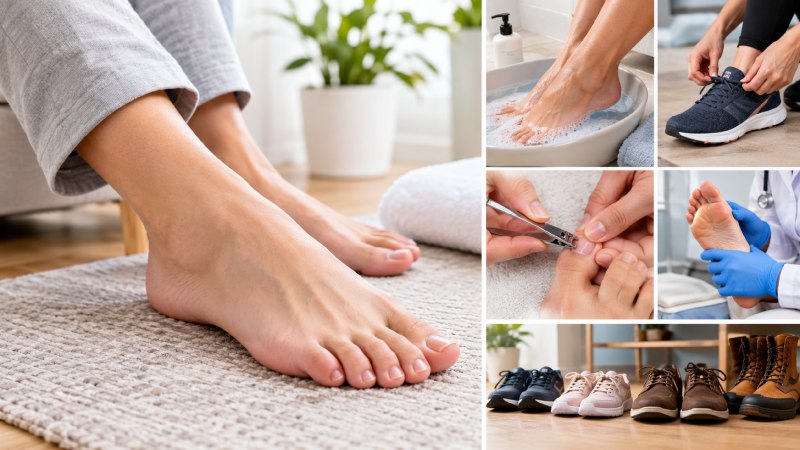
Every single day, your feet carry you through thousands of steps, workout routines, busy work shifts, and weekend errands. Despite working tirelessly to support your entire body weight and structure, feet are often the most neglected part of a personal care routine. It is easy to take them for granted until a sharp ache, irritating skin condition, or painful nail issue suddenly forces you to slow down. Maintaining healthy feet does not require an elaborate or expensive routine. By implementing a few simple, proactive habits into your daily schedule, you can protect your foundation, prevent painful complications, and keep moving comfortably for years to come.
1. Prioritize Daily Foot Hygiene and Moisture Control
Good foot health always begins with basic hygiene. Washing your feet thoroughly each day with warm water and mild soap removes bacteria, sweat, and environmental debris accumulated throughout the day. However, washing is only half the process—drying your feet completely is equally crucial. Fungi and bacteria thrive in damp, dark, warm environments, making the narrow spaces between your toes prime real estate for stubborn infections such as athlete’s foot. Always pat your skin dry with a clean towel, paying special attention to the webbing between each toe.
In addition to keeping your feet dry, maintaining soft, supple skin is key to preventing painful heel cracks and rough calluses. Apply a moisturizing lotion or cream after bathing, focusing on the heels and soles. Avoid placing heavy moisturizers directly between the toes, as excess trapped moisture can encourage fungal growth over time.
2. Choose Footwear That Supports and Protects
The shoes you choose play a defining role in your overall foot health and structural alignment. Wearing tight, narrow, or unsupportive shoes forces your feet into unnatural positions, leading to painful blisters, bunions, hammer toes, and severe arch or heel strain. When selecting daily footwear, prioritize options that feature ample toe box space, solid arch support, and shock-absorbing soles. Your toes should be able to wiggle freely without rubbing against the front or sides of the shoe.
It is also important to match your footwear to your specific daily activities. Running shoes, walking sneakers, and work boots are designed with distinct support structures to absorb impact and reduce pressure. Avoid wearing flat, unsupportive shoes or flip-flops for extended periods, as they lack the structure necessary to protect your plantar fascia and heel bones. Furthermore, alternate your shoes regularly to allow them time to air out between uses.
3. Practice Proper Nail Trimming Techniques
Trimming your toenails might seem straightforward, but improper technique is one of the leading causes of painful foot complications. Many people tend to round the corners of their toenails or cut them too short, which encourages the sharp edges of the nail to grow directly into the surrounding skin tissue. This improper cutting technique frequently leads to intense tenderness, inflammation, and localized infections.
To keep your nails healthy and pain-free:
- Cut toenails straight across using clean, dedicated nail clippers.
- Avoid curving the edges downward along the sides of the toe.
- Use an emery board to gently smooth sharp corners rather than digging clippers into the nail borders.
- Leave a small amount of the free nail edge visible to protect the delicate nail bed underneath.
If a nail becomes deeply embedded, red, or persistently painful, attempting “bathroom surgery” at home can make the condition significantly worse. Seeking professional ingrown toenail treatment in West Valley City ensures that the nail is safely and permanently corrected by an expert without risking deeper infection or recurring damage.
4. Listen to Your Feet and Seek Prompt Professional Care
Foot pain is never something you should ignore or attempt to push through. Persistent soreness, numbness, tingling, skin discoloration, or changes in nail texture are clear signals from your body that something requires professional attention. Early intervention by a qualified podiatrist can easily resolve minor issues before they develop into severe, debilitating conditions.
Individuals with underlying health conditions, such as diabetes or poor circulation, must be especially vigilant. Regular foot inspections and routine podiatric checkups are essential for detecting nerve changes, subtle injuries, or slow-healing sores before they escalate into serious medical concerns.
Put Your Health First
Taking care of your feet is a vital investment in your overall quality of life, mobility, and long-term independence. By practicing thorough hygiene, wearing supportive footwear, trimming your nails correctly, and listening to early warning signs, you can maintain healthy, pain-free feet for life. Start putting your best foot forward today by making these simple care habits a permanent part of your wellness routine!