
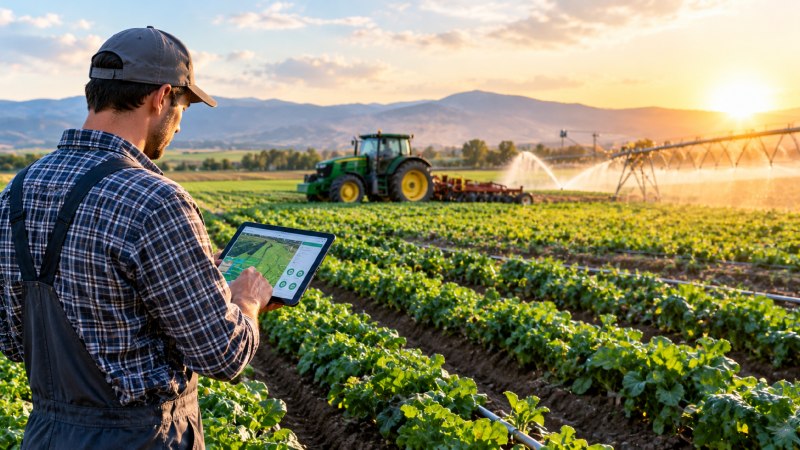
Agriculture remains one of the most vital and resilient industries in the world, feeding growing populations and sustaining foundational economies. Yet behind every flourishing farm or agribusiness lies far more than a passion for working the land. It demands rigorous planning, advanced technology, efficient infrastructure, and strategic market positioning. Whether you are cultivating organic crops, raising livestock, or developing niche agricultural services, building a profitable enterprise requires a clear roadmap from day one.
1. Identify Your Niche and Build a Business Plan
Every successful agribusiness begins with a defined market vision. Before purchasing land, seeds, or heavy machinery, conduct thorough market research to identify demands within your target region. Are local food distributors searching for organic heirloom produce? Is there an underserved market for direct-to-consumer artisanal goods or specialized crop varieties?
Once you have honed your concept, draft a comprehensive business plan. This document acts as your operational blueprint and is critical for attracting investors or securing agricultural loans. Your plan should clearly outline:
- Executive Summary & Goals: Define your operational mission and long-term targets.
- Market Analysis: Highlight target demographics, competitor benchmarks, and pricing strategies.
- Operational Structure: Select an appropriate business framework (such as an LLC or partnership) to manage legal liabilities and simplify tax compliance.
- Financial Projections: Detail setup costs, cash flow expectations, and break-even timelines.
2. Secure Infrastructure and Vital Resources
A farm’s long-term viability relies heavily on the quality and reliability of its core resources: soil, equipment, and water.
Soil Health Management
At the heart of high crop yields is healthy soil. Invest early in comprehensive soil testing to analyze nutrient profiles, pH balance, and organic content. Implementing crop rotation, cover crops, and organic enrichment preserves long-term soil fertility and minimizes pest vulnerability.
Reliable Water and Irrigation Systems
Water access is non-negotiable in modern agriculture. Efficient delivery systems—such as drip irrigation or center pivots—conserve water resources while ensuring consistent crop hydration. For operations dependent on groundwater systems, maintaining pumps and delivery equipment is vital to preventing sudden operational halts. Working with specialized professionals for scheduled maintenance or prompt well pump repair in Utah or your regional area ensures your irrigation infrastructure remains dependable during crucial growing cycles.
Equipment and Technology
Invest in durable machinery aligned with the scale of your operation. Utility tractors, seeders, and automated irrigation controls significantly reduce labor demands and boost field efficiency. Proper climate-controlled storage solutions are equally important to preserve crop freshness post-harvest.
3. Focus on Operational Efficiency and Risk Management
Unpredictable factors like shifting weather patterns, biological pests, and market price fluctuations make risk management essential. Successful growers mitigate risk through diversified practices:
- Integrated Pest Management (IPM): Combine biological controls, crop rotation, and targeted treatments rather than relying exclusively on harsh chemical applications. This approach reduces operational costs while preserving ecosystem health.
- Data-Driven Farming: Utilize farm management software to track planting timelines, chemical inputs, yield performance, and financial metrics. Accurate record-keeping empowers smarter, real-time decision-making.
- Workforce Training: Skilled farm workers who understand equipment operation and safety protocols keep daily operations running safely and efficiently.
4. Develop Strong Distribution and Brand Awareness
Growing high-quality produce or livestock is only half the business; building dependable channels to market guarantees sustainable revenue. Diversify your sales outlets to avoid relying on a single revenue stream:
- Direct-to-Consumer (DTC): Community Supported Agriculture (CSA) programs, farm stands, and local markets yield higher profit margins and build direct customer relationships.
- Wholesale Partnerships: Supplying regional grocery chains, restaurants, or agricultural cooperatives secures predictable, high-volume sales.
Build a digital presence through social media and a professional website. Modern consumers value transparency; sharing your story, sustainable growing practices, and commitment to quality builds lasting brand loyalty.
Cultivating Long-Term Growth
Starting an agricultural enterprise is a journey that demands patience, adaptability, and continuous learning. By laying a solid strategic foundation, protecting critical water and soil assets, maintaining operational discipline, and diversifying your sales channels, you position your farm for long-term profitability. Adaptability and persistence will turn your initial business seeds into a thriving agricultural success.