
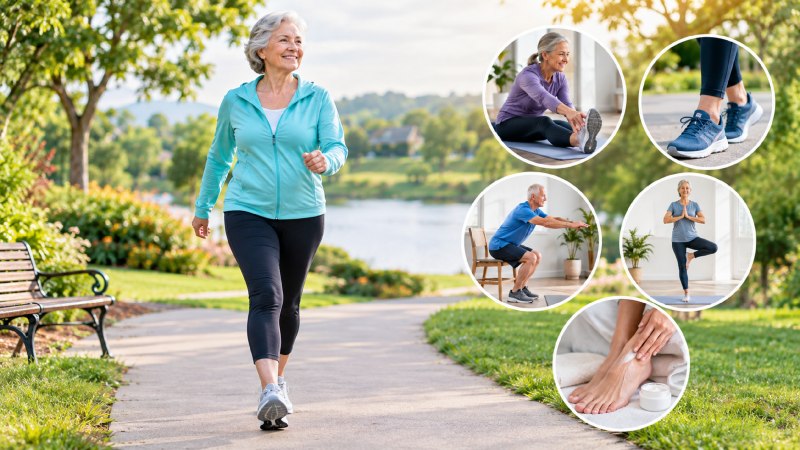
Staying mobile as you get older can make everyday life easier, safer, and more enjoyable. Simple habits such as walking regularly, stretching, strengthening key muscles, and practicing balance can help you move with greater confidence. You do not need an intense workout routine to support healthy mobility. Small, consistent changes can make a meaningful difference over time.
Make Daily Movement a Habit
One of the simplest ways to support mobility as you age is to keep moving throughout the day. Regular physical activity helps maintain joint flexibility, muscle strength, coordination, and endurance. Long periods of inactivity can contribute to stiffness and weakness, making everyday movements such as standing, climbing stairs, or getting in and out of a chair more difficult.
You do not necessarily need to set aside hours for exercise. Look for natural opportunities to move more. Take a short walk after meals, stand up and move around during breaks, walk through your home regularly, or choose the stairs when they are comfortable and safe. The goal is to move a normal part of your routine rather than something you only do during planned workouts.
Start With Manageable Goals
If you have been inactive, begin with small amounts of activity and gradually increase the duration or frequency. Even a few minutes of movement at a time can be a useful starting point. As your stamina improves, you can work toward longer walks or additional activities.
Pay attention to how your body responds. Mild muscle fatigue can be expected when you are becoming more active, but persistent or worsening pain should not be ignored. If a particular movement is difficult, consider discussing it with a qualified healthcare professional before increasing your activity.
Stretch Regularly to Reduce Stiffness
Flexibility can become more challenging with age, particularly when you spend much of the day sitting. Gentle stretching can help you maintain a comfortable range of motion and make everyday activities feel easier. Areas such as the hips, shoulders, calves, and hamstrings may benefit from regular attention.
Try incorporating a few gentle stretches into your daily routine. For example, you might stretch your calves while holding onto a stable surface or gently move your shoulders through their comfortable range of motion. Hold each stretch without bouncing, and avoid forcing a joint beyond what feels comfortable.
Focus on Consistency
You are more likely to benefit from stretching when you practice it consistently. A short routine performed regularly can be more practical than an occasional lengthy session. Consider stretching after a brief walk or during another established part of your daily schedule so it becomes easier to remember.
Keep your movements controlled and comfortable. If you experience sharp pain, numbness, significant swelling, or another unusual symptom, stop the activity and seek appropriate medical guidance.
Build Strength for Everyday Activities
Muscle strength plays an important role in maintaining independence. Stronger legs can make it easier to rise from a chair, climb stairs, and walk steadily, while upper-body strength can support tasks such as carrying groceries, reaching for objects, and getting up from the floor.
Strength exercises do not have to involve heavy weights. Depending on your fitness level, you can practice movements such as sit-to-stand exercises, wall push-ups, heel raises, or supported leg lifts. Resistance bands or light weights may also be useful as you become more comfortable with strength training.
Train the Muscles You Use Most
Functional exercises are especially useful because they can reflect movements you perform in everyday life. For instance, repeatedly standing from a sturdy chair can help train the muscles involved in getting up and sitting down.
Start with a manageable number of repetitions and prioritize proper form. Use a stable surface for support when necessary, and progress gradually rather than trying to increase resistance or repetitions too quickly.
Practice Balance to Move With Confidence
Balance can become less reliable with age, and reduced balance may increase the risk of falls. Incorporating balance exercises into your routine can help you develop greater body awareness and control. Better balance can also make activities such as walking outdoors, stepping over obstacles, and changing direction feel more manageable.
Simple exercises can include standing with your feet close together, shifting your weight from one side to another, or practicing a controlled heel-to-toe walk. Always perform balance exercises in a safe area where you can hold onto a sturdy countertop, railing, or other stable support if needed.
Make Safety a Priority
Never practice challenging balance exercises near stairs, slippery surfaces, or other hazards. If you have a history of falls or feel unsteady while standing or walking, it may be helpful to work with a healthcare professional who can recommend exercises appropriate for your abilities.
Balance is only one part of fall prevention. Adequate lighting, clear walkways, supportive footwear, and properly arranged furniture can also make your home safer and easier to navigate.
Pay Attention to Posture and Movement Patterns
The way you sit, stand, and move throughout the day can affect how comfortable you feel. Spending extended periods in one position may contribute to stiffness, while poor movement habits can place unnecessary stress on certain areas of the body.
Try to change positions regularly instead of remaining seated for hours. When standing, keep your posture relaxed and avoid excessively rounding your shoulders. When lifting an object, bring it close to your body and use your legs rather than relying entirely on your back.
Improve How You Move, Not Just How Much
Mobility is about more than simply walking farther. It also involves how efficiently and comfortably you move through everyday activities. If you consistently struggle with stairs, getting out of a chair, reaching overhead, or walking for longer periods, consider whether a specific strength, flexibility, or balance limitation may be contributing.
A physical therapist can assess your movement and help identify areas that may need attention. Depending on your individual needs, advanced physical therapy in Pleasant Grove may provide personalized strategies for improving strength, flexibility, balance, and functional movement.
Choose Activities You Enjoy
The best mobility routine is one you can maintain. If you dislike an activity, it may be difficult to continue doing it consistently. Instead, choose forms of movement that fit your interests, abilities, and lifestyle.
Walking, swimming, cycling, dancing, gardening, and other low-impact activities can all provide opportunities to stay active. Some activities may also combine several mobility-related benefits, such as improving endurance while encouraging coordination and range of motion.
Make Exercise Social
Staying active with other people can make movement more enjoyable and provide additional motivation. Consider taking walks with a friend, participating in an appropriate group exercise class, or finding another activity that encourages regular participation.
Social activities can also make exercise feel less like a chore. When physical activity becomes part of an enjoyable routine, you may be more likely to continue it over the long term.
Listen to Your Body and Progress Gradually
Getting older does not mean you have to accept declining mobility as inevitable. However, it is important to recognize that everyone’s physical abilities, health history, and fitness level are different. An exercise that works well for one person may not be appropriate for another.
Give yourself time to adapt to new activities. Increase duration, resistance, or difficulty gradually, and allow adequate recovery between demanding sessions. If you have a medical condition, recent injury, persistent pain, or significant mobility limitations, consult an appropriate healthcare professional before starting a new exercise program.
Small improvements can add up. Walking a little farther, standing more comfortably, or feeling steadier on your feet can make a noticeable difference in your ability to handle everyday tasks.
Conclusion
Maintaining mobility as you get older starts with simple, consistent habits. Regular movement, gentle stretching, strength training, balance practice, and safer movement patterns can support independence and confidence. Choose activities that fit your abilities and progress at a comfortable pace. With patience and consistency, you can build habits that help you stay active and enjoy everyday movement for years to come.