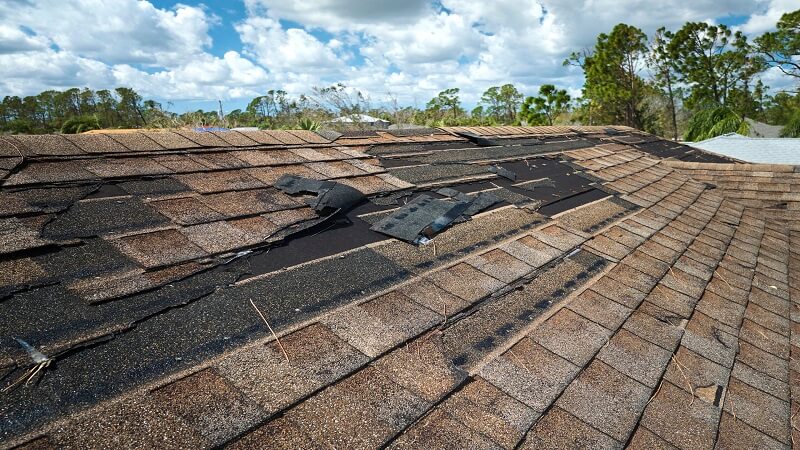
Most of us have a habit of looking up at our houses after a big windstorm or a heavy bout of hail. If we do not see a giant tree limb sticking out of the attic or half the shingles lying on the lawn, we usually breathe a sigh of relief and go back inside. However, just because your home still looks like a home does not mean it escaped without a scratch. When it comes to roof repair Heber City issues, homeowners often find out months later that a seemingly mild storm actually did quite a bit of dirty work behind the scenes. Understanding what to look for can save you a fortune in the long run.
The Hidden Danger of Granule Loss
One of the most common issues that people miss is granule loss. If you look at an asphalt shingle, it has a rough and sandpaper-like texture. Those tiny little rocks are not just there for decoration. They are the primary defense against the sun. When hail hits a roof or high winds whip debris across it, those granules get knocked loose.
You might notice a bit of sand in your gutters, but you probably will not think much of it. The problem is that without those granules, the asphalt mat underneath is exposed to UV rays. Think of it like your roof going out into the desert without any sunscreen. Over time, the sun bakes that spot until it becomes brittle and cracks. By the time you actually see a leak, the damage started a year ago during a storm you already forgot about.
Bruising That You Cannot See From the Ground
Hail does not always leave a gaping hole. Sometimes it leaves what roofers call bruising. Imagine taking a hammer and hitting a piece of wood covered in carpet. The carpet might look fine, but the wood underneath is crushed.
When a hailstone hits a shingle, it can rupture the fiberglass mat inside. You cannot see this from the driveway with a pair of binoculars. You usually have to get up on a ladder and physically feel the shingles for soft spots. If these bruises are left alone, the integrity of the shingle is gone. Water will eventually find its way through those microscopic fractures and start rotting your decking.
Wind Uplift and the Silent Seal Failure
Wind is a tricky beast. It does not always peel shingles back like a banana. Sometimes it just lifts them up high enough to break the sealant strip underneath. Manufacturers put a line of adhesive on shingles so they stick together and create a waterproof barrier.
Once the wind lifts a shingle and breaks that seal, it rarely sticks back down on its own. Dirt and dust get blown into the sticky part and ruin the adhesive. Even if the shingle looks perfectly flat right now, it is essentially just flapping in the breeze. The next time a rainstorm comes through with a bit of a slant, water gets pushed right under those loose flaps and straight into your house.
Flashing and the Small Details
We often focus so much on the shingles that we forget about the metal bits. Flashing is the material used around chimneys, vents, and valleys. It is the most common place for a leak to start. High winds can cause a house to shift or vibrate just enough to pull flashing away from the brick or siding.
Even a tiny gap of a few millimeters is enough for surface tension to pull water behind the metal. Because this happens in the corners and joints of your roof, the water often travels down the inside of your walls before it ever hits a ceiling. You might not see a water spot for a long time, but the mold could already be growing inside the wall cavity.
Why Immediate Inspection Matters
The biggest mistake people make is waiting for a visible sign of trouble. Most insurance policies have a time limit on when you can file a claim for storm damage. If you wait two years until your living room ceiling starts dripping, your insurance company might tell you that you are out of luck because you waited too long to report the initial incident.
Having a professional walk the roof after a major weather event is just smart maintenance. They know how to spot the subtle color changes of granule loss and the specific feel of a bruised shingle. It is much cheaper to fix a few spots of flashing or replace a handful of shingles than it is to replace the entire roof and the drywall in your bedroom.
Final Word
Your roof is the most important shield your home has against the elements. Even if it looks sturdy from the sidewalk, the invisible scars of a storm can lead to massive headaches down the road. If you are worried about the recent weather, getting a professional roof repair Heber City inspection is the best way to ensure your peace of mind. Taking care of the small things today prevents the big disasters of tomorrow.